Corporate Turnaround
When the business is structurally broken — not just cash-tight — we run point on a full turnaround, bringing in our partner network of CROs, forensic accountants, and restructuring specialists. You still run the company. We make sure it survives.

Corporate turnaround is the engagement we run when the business is structurally broken — not just cash-tight. A debt restructure cannot fix it on its own. A cost-reduction pass cannot fix it on its own. A pricing change cannot fix it on its own. The architecture of the business itself needs to be reshaped, on a defined timeline, while the lights stay on and the payroll runs and the customer experience holds together well enough that recovery is possible.
This is the highest-stakes work we do, and it is the engagement where the partner network matters most. We run point as the coordinating consultancy. We bring in a Chief Restructuring Officer (CRO), forensic accounting, restructuring counsel, and — when needed — a Subchapter V or Chapter 11 attorney, all from our vetted partner network. The owner stays in the operating chair. We make sure the architecture survives the next twelve months and the architecture that comes out the other end is one the business can live in.
The signals that say "structural", not "cash-tight"
Most engagements that look like turnaround on the first call turn out to be debt-and-operating engagements that resolve in a single quarter. Real turnaround cases are a smaller share. The signals that the case is structural, not symptomatic, tend to be quite specific.
- <0%Trailing-twelve operating margin even before debt service
- ~70%+Of fixed costs that cannot be re-priced or re-scoped inside one quarter
- 3+Independent stress events in the last 18 months (customer, supplier, regulator, weather)
- 90 daysTypical cash runway threshold below which the architecture conversation must happen now
What corporate turnaround actually is
Turnaround is a defined-duration, defined-scope engagement that reshapes the cost structure, capital structure, and operating model of a business so that the next twelve months are survivable and the next thirty-six months are growth-credible. The work has a beginning, a middle, and an end. It is not open-ended consulting. It is not a search for the perfect strategy. It is a methodical, paced, accountable rebuild of the business's basic shape, run by a team with specific roles and specific deliverables, with the owner remaining in the operating chair throughout.
The work is built around three parallel tracks: the cash track (keeping the lights on), the capital track (restructuring the balance sheet), and the architecture track (reshaping the underlying operating model). All three move simultaneously. None of them produces durable change on its own.
Three parallel workstreams, one coordinated plan
Each track has its own owner inside the engagement and its own deliverables. The CRO sets cadence. We hold the master plan. The accountant runs the numbers. Counsel handles anything with legal exposure. The business owner runs the business.
- Cash track — keep the lights on Weekly
- Capital track — restructure balance sheet Monthly
- Architecture track — reshape operating model Quarterly
The roles around the table
A real turnaround engagement requires more than one head. The shape of the team depends on the case, but the core roster is usually consistent.
- The owner. Remains in the operating chair. Authority over operating decisions is not transferred. The owner is the one who signs every consequential decision, and the owner is the one whose business it remains throughout.
- Hamilton & Merchant. Coordinating consultancy. We hold the master plan, run cadence, manage the partner network, sit in every consequential meeting, and write the closeout memo.
- Chief Restructuring Officer (CRO). Brought in from our partner network. The CRO provides senior turnaround judgment, often takes a temporary interim title (interim CFO is common), and is the day-to-day operator of the cash and capital tracks.
- Forensic accountant. Brought in where the books need cleanup before the turnaround can run on accurate numbers. Frequently, but not always, needed.
- Restructuring counsel. Brought in for any legal exposure — covenant work, vendor disputes, employment, lease defaults, lender forbearance. Counsel is in the room throughout, not on standby.
- Subchapter V / Chapter 11 counsel. Brought in only if a court-supervised reorganization becomes the right architecture. Most turnaround engagements do not require it, but the option must be on the table from day one if the file warrants.
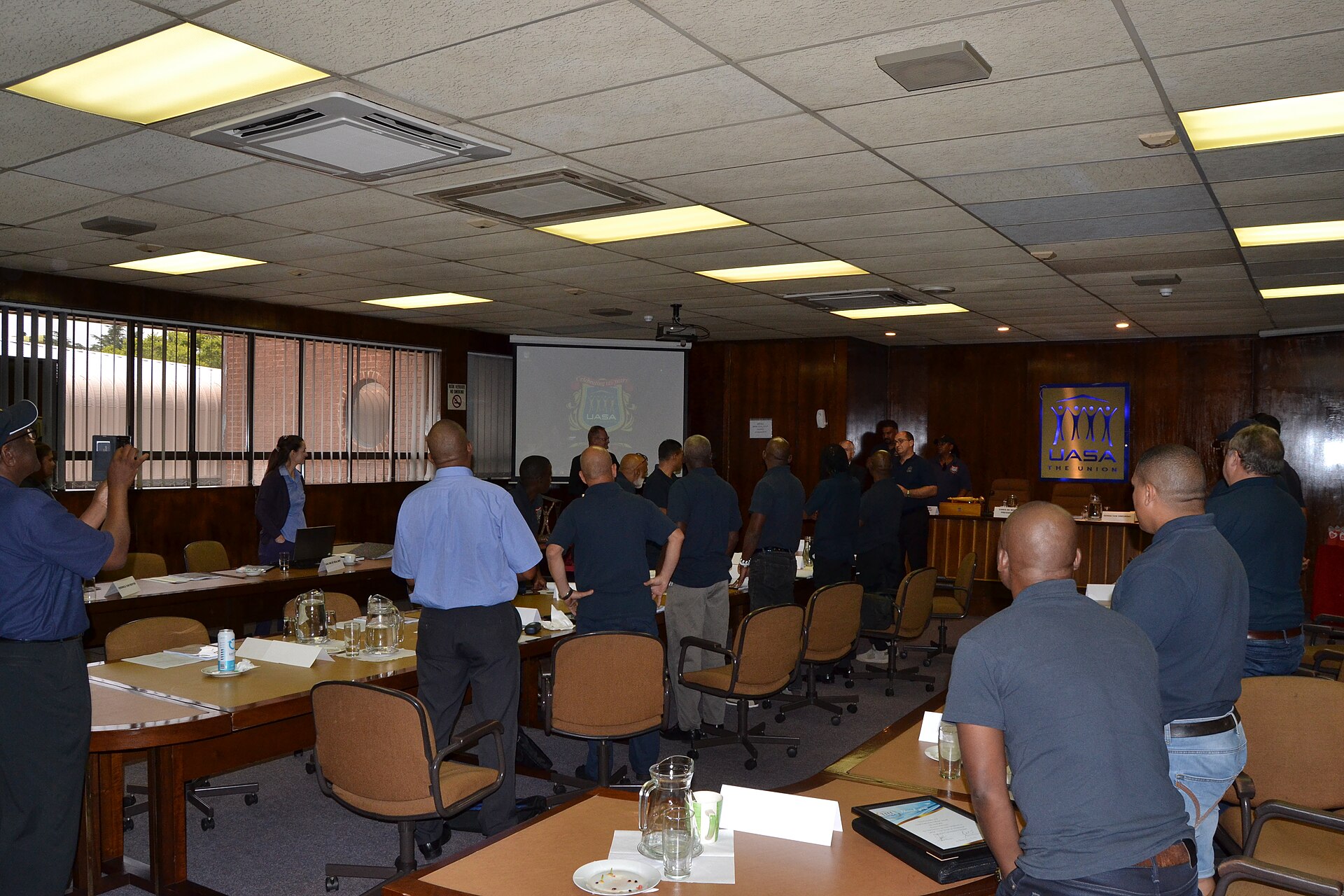
The boardroom is where the architecture changes
Turnaround work is not done on a whiteboard. It is done around the boardroom table, with all the necessary roles in the room, on a weekly cadence, with the cash plan in front of everyone and the capital plan on the wall. The pace is set by the cash position; the depth is set by the architecture conversation; the rigor is set by the CRO. We hold the cadence so the owner can focus on running the business.

The hundred-day plan
-
Days 0–14 · Triage and team assembly
Cash position read. Twelve-week cash forecast built. Partner team assembled and onboarded. The owner is shielded from the assembly work and stays focused on running the operating week.
-
Days 14–30 · The architecture read
Full read of the cost structure, capital structure, customer concentration, product mix, and competitive position. The deliverable is a one-page architecture diagnosis — what is structurally broken and what is fixable.
-
Days 30–60 · Capital-side restructure
Lender forbearance conversations. MCA unwind if the case has them. Vendor workouts. Lease restructure if it is on the critical path. All of this happens against a backdrop of the cash plan, which is updated weekly.
-
Days 60–90 · Architecture moves
Cost-structure reshape. Product or service line consolidation. Customer concentration unwind if the file shows danger. Sales and marketing realignment. Staffing model rebuild.
-
Days 90–180 · Stabilization
The first three months of operating in the new architecture. Plan-versus-actual review every two weeks. Course correction as needed. The CRO transitions out toward the end of this window if the file is on track.
-
Day 180+ · Closeout and handback
Documented closeout memo. New normal operating cadence handed back to the owner and accountant. The engagement ends.
Turnaround does not mean we run your business. It means we make sure the architecture that comes out of the next six months is one your business can actually live in. — Spencer Holt
What we will not do
We will not take over operating authority of your business. The owner remains the owner. We will not advise on any action that compromises the personal-liability shield without coordinating restructuring counsel from the first conversation. We will not run a turnaround on a business where the architecture diagnosis says the business is genuinely not viable in any reshape — there are cases where a wind-down is the honest answer, and we will say so directly rather than billing for an exercise that has no chance of producing a real result.
What turnaround does not look like
- Outside takeover of operating authority.
- An open-ended consulting retainer.
- A six-month plan with no milestone dates.
- A single advisor wearing every hat.
- Architecture work without an honest cash plan running underneath it.
- Refusing to consider that wind-down might be the right answer.
What real turnaround looks like
- Defined scope, defined duration, defined deliverables.
- Owner remains in the operating chair.
- A roster of specialists, each with a named role.
- Weekly cash review, monthly capital review, quarterly architecture review.
- A one-page plan on the boardroom wall, updated continuously.
- A clean handback memo when the engagement ends.
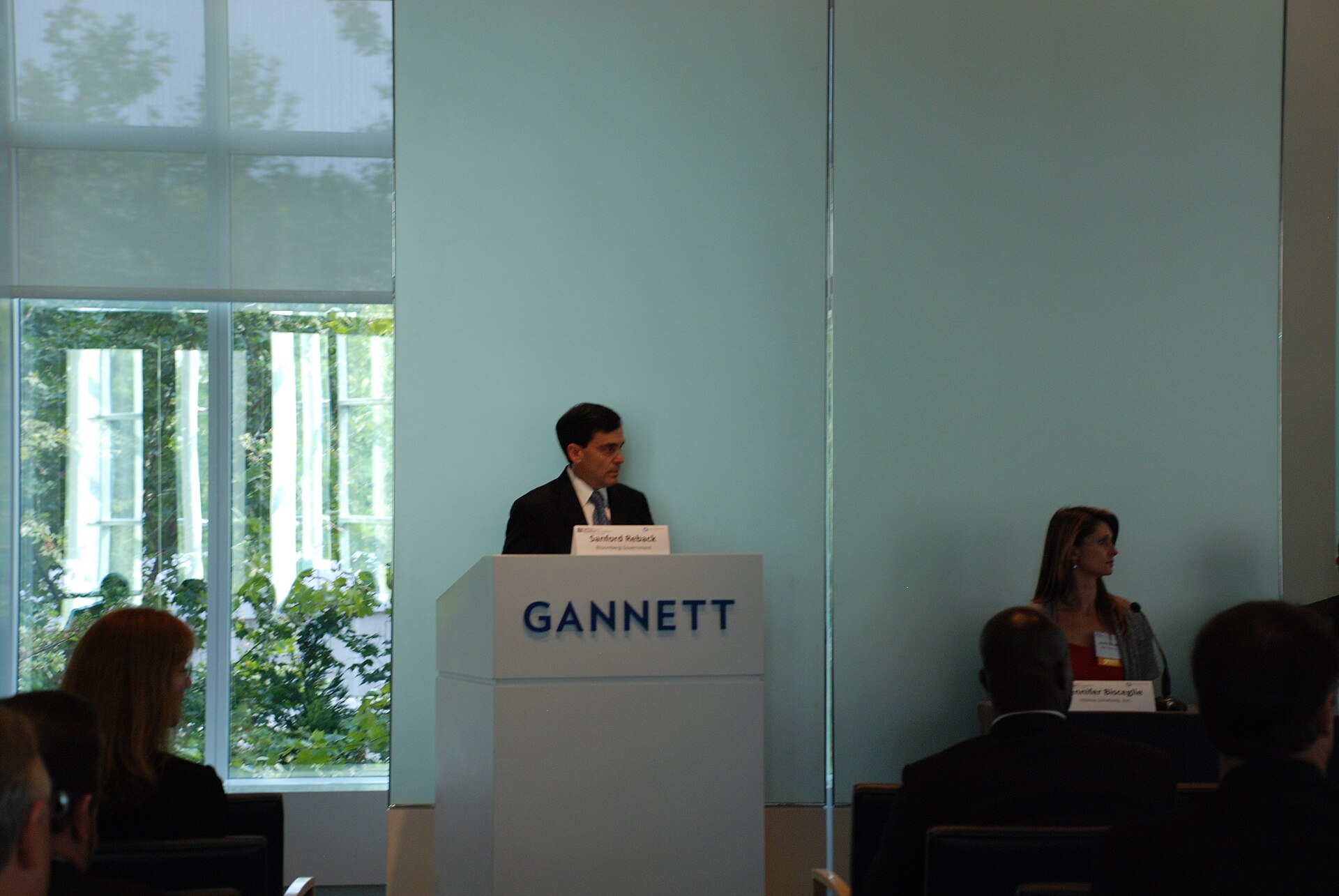
The hard work happens in breakouts
The main turnaround meeting is for sequencing and cadence. The hard work — the actual cost-reshape conversations, the lender forbearance call, the customer-concentration unwind, the staffing rebuild — happens in smaller breakout sessions between meetings, on weekday afternoons, in two- and three-person rooms. The architecture is what gets discussed at the table. The execution lives in the breakouts.
.jpg)
What you walk away with
- A one-page architecture diagnosis, in plain English, that you can refer back to for years.
- A restructured balance sheet, with debt, lease, and MCA positions all renegotiated where the file supported it.
- A reshaped cost structure that fits the actual revenue you can credibly support.
- A weekly cash discipline that the owner and accountant can run after the engagement ends.
- A clean closeout memo capturing what changed, what is supposed to hold, and what the trigger conditions are for calling us back.
- A vetted partner network that remains available to the owner directly after the engagement ends.
Common questions
How do I know if turnaround is the right shape of engagement?
Almost no owner walks in knowing. The first conversation is partly for us to read whether the case is structural or symptomatic. If it is symptomatic — a debt issue, a contract issue, an operating issue — we run the smaller engagement that fits. Turnaround is reserved for cases where the architecture has to change.
How much does a turnaround engagement cost?
It depends on the file. The typical six-month engagement, including the CRO from our partner network, runs in the low-to-mid five figures per month, all in. We disclose the all-in in writing before any work begins. Most engagements are scoped to recover their own cost inside the first quarter through capital-side restructuring alone.
Do I have to file bankruptcy?
Almost never. Most of our turnaround engagements complete out of court, through coordinated restructuring with the existing capital stack. Subchapter V or Chapter 11 is reserved for the small minority of cases where court supervision is genuinely the cleanest path. When it is the right answer, we coordinate counsel from our partner network and stay in the room throughout.
Will my staff or my customers know there is a turnaround running?
Usually no. Turnaround work happens behind the operating curtain. Staff continue to see normal operating decisions from the owner. Customers continue to see normal service. The architecture changes underneath, but the customer experience stays the customer experience throughout — that is one of the core constraints of the engagement.
What if the architecture diagnosis says the business is not viable?
Then we will say so plainly, before you commit to a turnaround engagement. There are cases where a structured wind-down is the honest answer, and we would rather have that conversation honestly on a free first call than run an exercise that produces no real result and burns through cash you could have preserved.
If the architecture is the question, the first conversation is free.
Call or text (407) 993-1416, or send us a message. We will read the file, ask the architecture questions, and tell you plainly whether turnaround is the right shape of engagement for your situation.
One honest conversation can change the trajectory.
The first call is free, confidential, and direct. We will listen, ask the hard questions, and tell you what we actually think — not what sounds good in a brochure. If we are the right fit, we get to work. If we are not, we will say so.
Start The ConversationOr call / text (407) 993-1416