
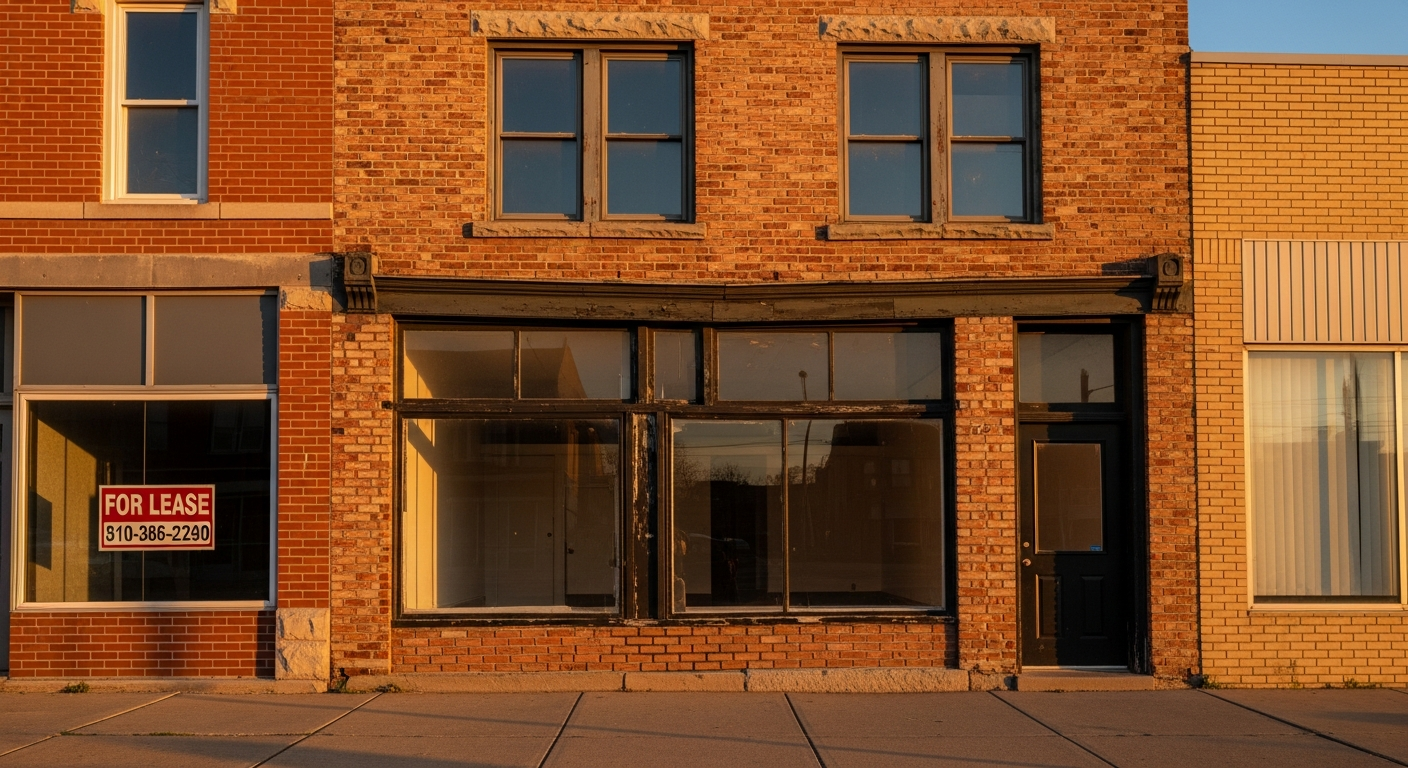
Commercial rent is one of the largest fixed costs in any distressed business — and, in 2026 conditions, one of the most negotiable. The combined effect of remote-and-hybrid demand shifts, retail compression, restaurant overbuild, and the post-2022 interest-rate environment has put real pressure on commercial landlords across nearly every U.S. metro. Landlords would rather renegotiate than replace you. We use that pressure deliberately, in writing, with documentation, to extract reductions, deferrals, restructures, and — when the building is the wrong fit — clean exits.
This is the part of our work that, dollar for dollar, often produces the largest single recovery on a stressed P&L. A 20% reduction on a $14,000 monthly rent is $33,600 a year, compounding for the remainder of the lease term. There are few other single moves in a distressed engagement that produce that kind of cash with that little ongoing effort.
Why landlords are at the table in 2026
Across U.S. commercial real estate, vacancy is elevated relative to the pre-2022 baseline in nearly every metro, with secondary markets harder-hit than gateway cities. The landlord on the other end of the conversation knows what their building is competing against. We make sure your owner knows too.
- 10–28%Typical monthly-rent reduction achieved on mid-term commercial leases in 2024–2026 cases
- 3–12 moTypical rent deferral window granted on hardship-based restructures, with structured paydown
- ~$60KMedian annualized savings on a successfully renegotiated mid-size commercial lease
- ~3 of 4Landlords who came to the table when approached with documentation and a credible alternative
Why the landlord's incentive is on your side
The structural truth of commercial real estate is that vacancy is more expensive than discounted occupancy. A dark unit does not pay rent at all. It does not generate CAM contribution. It signals weakness to the rest of the block. It triggers a long marketing cycle, a broker commission of three to six percent on the new lease, tenant-improvement dollars for the next tenant, and almost certainly a free-rent concession for the new lease's first months. In most markets in 2026, the all-in cost of replacing a paying tenant is substantially more than the cost of restructuring the rent for the existing one.
That math is the landlord's math, not yours. You do not need to argue it to them; they know it cold. The job in a renegotiation is to present a hardship narrative credible enough that the landlord can justify the concession internally — to their lender, their asset manager, their LP base — without losing face. We write that narrative for clients every week.
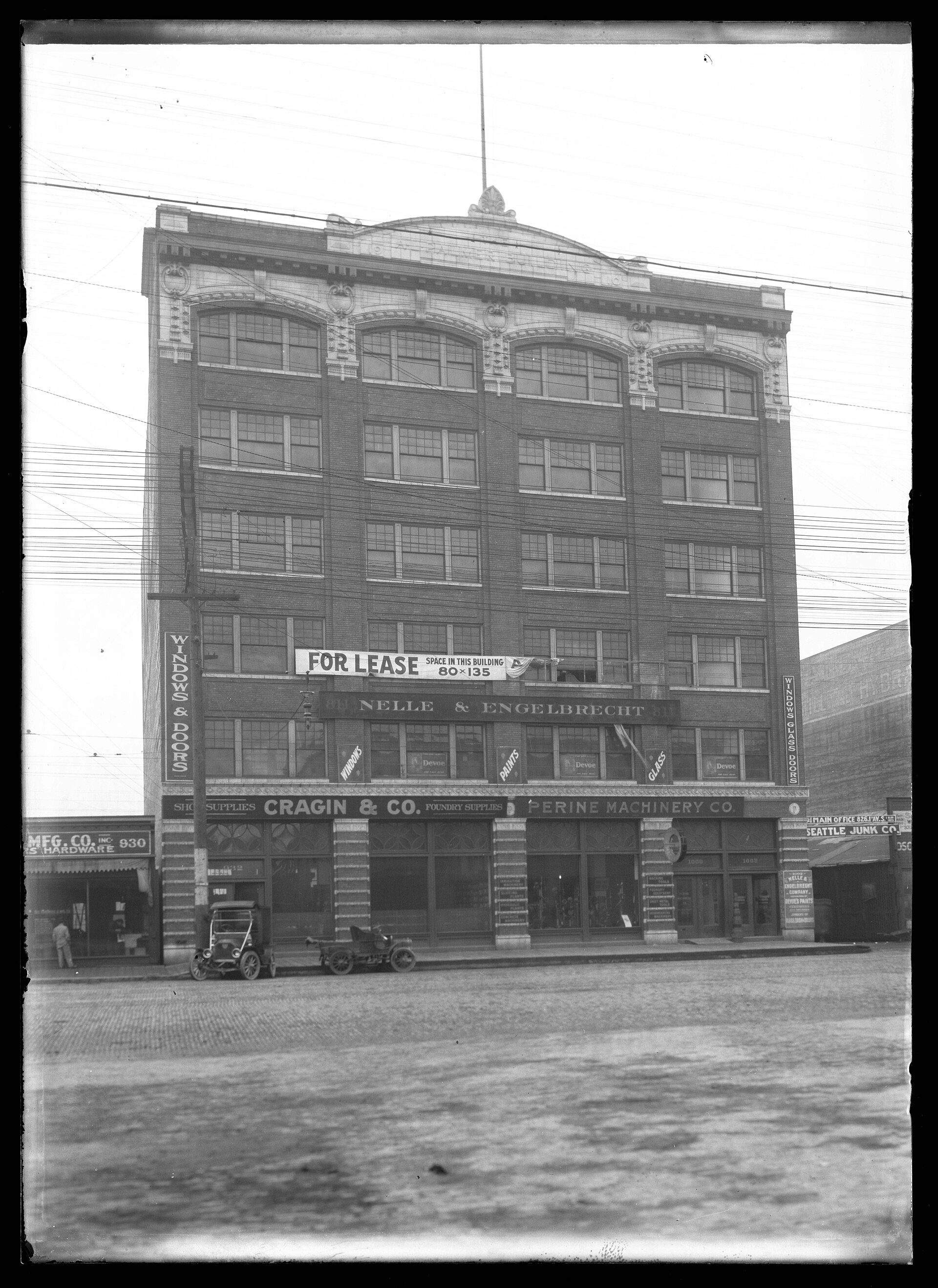
American main streets have always run on rent terms
Commercial tenancy in the United States has been a renegotiation business since the country had main streets. The terms in your lease were the terms that fit the market at signing — they are not a law of physics. The market has changed since you signed. The lease should reflect that, and almost always will if asked in the right way at the right moment.

The four outcomes a lease renegotiation can produce
Not every renegotiation looks the same
A lease renegotiation engagement is shaped by the underlying case: how distressed the business is, how much remaining term, how the local market is performing, and whether the property is on a single lender or a multi-property note. Four outcome architectures cover most cases.
- Rent reduction (standing reduction) 10–28%
- Deferral + structured paydown 3–12 mo
- Term restructure (extend & blend) 2–5 yr
- Clean exit (negotiated buyout) 2–8 mo rent
The personal-guarantee question, plainly
Most commercial leases for small businesses come with a personal guarantee. Most owners do not remember signing it; the lease was a stack of paper and the PG was on page 47. The PG is what makes a lease "exit" a complicated conversation — without one, the worst case for the tenant is loss of the unit and a damages claim on the corporate entity. With one, the same damages claim attaches to the owner personally, and a default that produces a five-figure deficiency at the corporate level can produce a five-figure personal judgement attached to the owner's house, retirement, or non-business assets.
This is the part of lease work where the in-house renegotiation handoff to our partner network happens most often. When a PG is involved and an exit is on the table, we coordinate with real estate counsel from the first conversation. The renegotiation work itself is ours; the counsel work, when needed, is theirs, with us in the room.

The renegotiation timeline
-
Week 1 · Lease pull + market read
Every page of the lease, every amendment, every CAM reconciliation for the last three years, every operating-expense pass-through. Plus a market read on comparable rents in a six-block radius. The math has to be tight before the first call.
-
Week 2 · Hardship file + outcome target
The case file: revenue trajectory, cost pressure, real numbers, real context. Plus the specific outcome we are asking for, sized to what the file actually supports.
-
Week 2–3 · First outreach to landlord or property manager
Outreach is in writing first — the documentation matters. The call follows the letter, not the other way around. We almost never lead with a phone call.
-
Week 3–6 · Counter rounds
Landlord typically counters once or twice. The right number usually sits in the second or third round. We hold the line on the bottom of the range that documentation supports.
-
Week 6+ · Amendment in writing
The signed lease amendment, not a verbal handshake. The amendment captures the new rent, the new term where applicable, the deferral schedule where applicable, the PG modification where applicable, and the CAM rebasing where applicable. Anything not in writing did not happen.
No landlord wants the dark window. The renegotiation is not about pity. It is about the math of who really has the better outcome if the conversation breaks down. — Spencer Holt

The quiet shop is not the worst-case for you
The quiet shop is the worst-case for the landlord. Every owner who walks into a renegotiation forgetting that is operating from the wrong end of the leverage equation. The right opening posture is calm, documented, plainspoken, and unembarrassed about the ask. Landlords respond to that posture far better than they respond to either bluster or apology.
What we will and will not do
What we will not do
- Tell you to stop paying rent unilaterally. That triggers default cascades that cost more than they save.
- Recommend a unilateral "lease termination" letter. That is a confession of default, not a negotiation.
- Promise an exit on a lease with a PG without coordinating real estate counsel first.
- Approach the landlord before the file and the math are tight.
- Charge an upfront fee against a stressed account.
What we will do
- Read the lease cover to cover, including the amendments and the CAM reconciliations.
- Build a hardship file the landlord's asset manager can sign off on internally.
- Open every conversation in writing, with documentation, with a specific ask.
- Coordinate real estate counsel from our network if PG modification or exit is on the table.
- Walk away in writing with an amendment, not a verbal "deal."
What you walk away with
- A signed lease amendment capturing the new rent, term, or deferral structure — in writing, fully executed.
- A clean CAM and operating-expense audit so the new rent is not eroded by pass-throughs in eighteen months.
- A negotiated PG modification or release where the file and the counsel work support it.
- A short written summary of the next renegotiation window so the relief holds across cycles.
- Coordinated counsel from our partner network where needed, with us in the room throughout.
Common questions
How early in the lease term can I renegotiate?
Sometimes immediately, especially if conditions have changed materially since signing. More commonly, the strongest leverage points are the twenty-four-month, the renewal window, and any time the broader market has softened relative to your specific block. We read the leverage at the file stage and tell you whether the timing is right.
What if I'm already behind on rent?
Not too late. Behind-on-rent cases shift the architecture toward deferral and structured paydown rather than standing reduction, but the outcome is real. The key is opening the conversation before the landlord escalates to formal default.
Can you get me out of the lease entirely?
Sometimes. Negotiated exits — usually with a buyout of two to eight months' rent — are achievable when the building is genuinely the wrong fit and the file is built carefully. PG-exposed exits require counsel coordination from day one.
What if my landlord is a large institutional REIT?
Institutional landlords have asset-management desks with explicit authority to restructure. They are often easier to negotiate with than smaller owner-operators, because the decision-maker is professional and the math is the math. We have run successful restructures with most of the major REITs.
How much do you charge?
A portion of documented twelve-month savings on the renegotiated rent, paid as the savings are realized. No upfront fee. Exit-buyout cases are flat-fee. Terms disclosed in writing before any work begins.
Your rent does not have to be the largest line on the P&L.
Call or text (407) 993-1416, or send us a message. We will read the lease, look at the market, and tell you plainly what we expect to be reachable before you commit to anything.