

When a business owes the IRS plus a merchant cash advance funder, federal law sets the order, and dates decide it. Until the IRS puts its Notice of Federal Tax Lien on the public record, the lien doesn't count against a funder with a filed UCC claim; afterward, the funder generally stays first on receivables (money customers owe) existing or arising within 45 days, and the IRS generally comes first on later ones. Your worry is simpler: which bill gets this week's money.
Picture an owner like Marisol, who runs a commercial cleaning company outside Orlando with 22 employees and about $140,000 a month in deposits. When her largest customer started paying 60 days late, she took two merchant cash advances: the first takes $650 on each business day and the second takes $2,100 every Friday, roughly $23,000 a month in all.
Twice this year payday came with the account short, and the federal payroll tax deposit, the one payment that didn't bounce or call, was the one that waited. Now the business is about $40,000 behind on Form 941 payroll taxes, roughly $28,000 of it withheld from employees' paychecks. A final levy notice, the IRS's last warning before it takes money, sits on her desk, and the second funder has emailed a renewal offer.
Her questions are fair: who gets paid first, what can each side do to her bank account, and is any of it hers personally? A word on roles first: Hamilton & Merchant is not a CPA firm or a law firm. What follows describes how the rules work; fitting them to your returns and contracts takes a tax professional and an attorney of your own.
Who gets paid first, the IRS or the merchant cash advance funder?
Neither comes first across the board. It depends on which asset you mean, when each claim attached to it, and whether the IRS has put its claim on the public record. For receivables, the asset a funder cares about most, the federal rules are unusually precise.
Priority is the order in which creditors with claims on the same dollar get paid, and section 6323 of the Internal Revenue Code says when the tax lien counts against other creditors. Three questions sort it out:
- Is a federal lien notice on file yet? Until the IRS files one, its lien is not valid against buyers or secured creditors (those holding collateral), a group that includes a funder with a filed UCC statement, the public form recording its claim under the Uniform Commercial Code.
- When did the funder's claim attach, and when did the receivable arise? A funder whose agreement and filing predate the lien notice keeps its place on receivables the business already had, and generally on those acquired in the 45 days after the notice.
- Where is the money now? The IRS reaches a bank balance by sending the bank a levy, a legal order explained below, and an unpaid invoice by sending one to the customer.
A second question sits underneath: when there isn't enough cash for everyone, which bill do you pay? The trust fund recovery penalty, covered below, can make the wrong answer your personal debt. The general ranking of business bills is in which creditor to pay first when cash is short, and the broad contrast between owing a company and owing a tax agency is in how private debt and tax debt differ.
One piece of vocabulary: a lien gives a creditor a claim on property, while a levy actually takes the property. The trouble starts when either creditor moves from claiming to taking.
How does a federal tax lien start?
A federal tax lien starts on its own, with no court and no public filing. Once the IRS assesses a tax, sends a bill and the bill goes unpaid, the government has a lien on everything the taxpayer owns or has a right to, dated from the assessment.
- Assessment: the IRS formally records the amount owed on its books, as it does when a Form 941 reports unpaid tax.
- Notice and demand: the IRS sends a bill, the Notice and Demand for Payment.
- Neglect or refusal: the bill isn't paid in full.
It reaches further than owners tend to expect. The IRS says it covers every business asset and every right to one, accounts receivable included, and its manual, the rulebook IRS employees work from, says it takes hold right away on anything acquired while the lien exists. An invoice Marisol writes next month is covered the day she writes it, and so are her vans, her floor machines and her bank balance.
A federal tax lien starts on a date you probably never noticed, and from that day it already reaches every invoice your customers owe you.
What it doesn't do yet is outrank the creditors the code protects. Until the IRS files its public notice, the lien is not valid against a buyer, a creditor holding collateral or one that has won a court judgment, and nobody searching the public records can see it. It also lasts: the IRS can generally collect for 10 years from assessment, and that clock pauses during certain events, such as while a payment plan request or an offer to settle for less is under review.
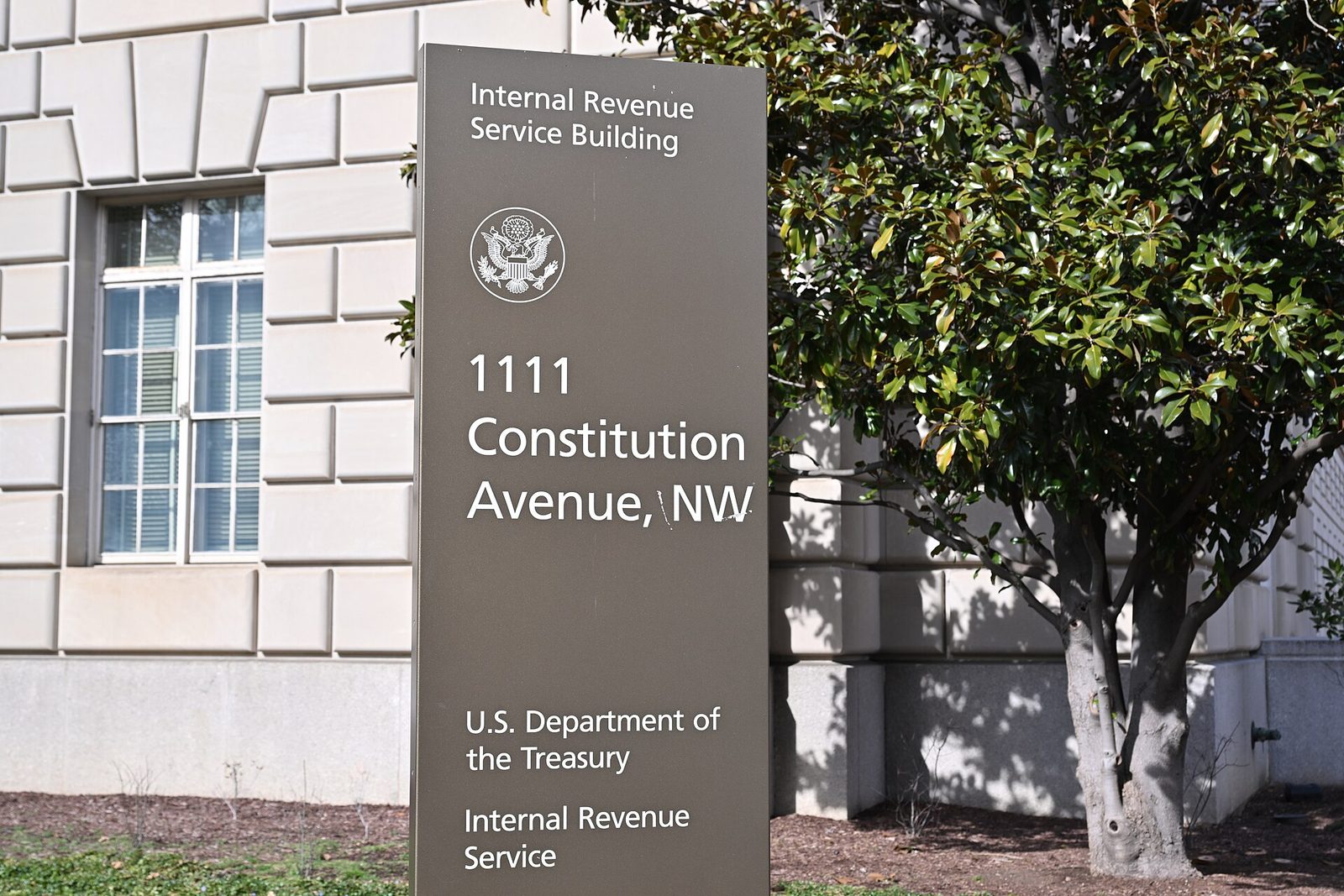
What changes once the IRS files its lien notice?
The filing is what lets the lien compete. Once the Notice of Federal Tax Lien is on file, the lien counts against creditors who come along afterward, and the 45-day window explained below starts running. Before the filing, it doesn't count against a funder whose UCC filing already put its claim on record.
Publication 594, the IRS's guide to collection, says the notice is filed so the government's claim has a set place in line against other creditors. It goes to an office such as a county recorder or the Secretary of State; for a corporation or partnership, the location of its headquarters decides which one. Three things follow:
- A letter to you. Within five business days of filing, the IRS must tell you in writing; your 30 days to request a hearing start the day after that five-day period ends.
- A public record. Landlords, employers and lenders can see it, and the IRS warns it can count against you with them.
- A possible trigger in your contracts. Read the list of breaches in each agreement you have signed and see whether a tax lien is on it.
If your advance agreement lists a tax lien as a breach, a funder that treats the contract as in default may sue for the remaining balance, the contract may let fees and costs be piled on, the business's credit rating can drop, and a personal guarantor can be pursued. Read that clause with a lawyer before the IRS files.
The notice can come off, too. The IRS releases a lien within 30 days after the debt is paid. A withdrawal removes the public notice, though the tax is still owed; a discharge takes the lien off one specific asset, such as a truck you are selling; and a subordination lets another creditor move ahead of the IRS, which can make a refinancing possible.
What does the funder's UCC filing cover?
A funder's UCC financing statement is public notice of the rights its contract gives it in your business's property: the share of future receipts it bought, plus any other collateral the agreement lists. The filing is how the funder makes those rights count against other creditors.
Each merchant cash advance is set up as the funder buying a share of the receipts the business will take in, collected through daily or weekly withdrawals. The product is common: in the Federal Reserve Banks' 2025 Small Business Credit Survey, 8% of employer firms applied for one in the prior 12 months. New York law calls it sales-based financing; Florida's 2023 disclosure law speaks of an accounts receivable purchase transaction.
The UCC's Article 9, the part that governs claims on collateral, reaches sales of accounts (money owed to the business) as well, and it treats the buyer's interest as a security interest. Filing is generally how that interest is perfected, meaning made effective against outsiders, and rival claims rank by whichever came first, a filing or a perfection, so between two funders the first to file is generally ahead. Between a funder and the IRS, the tax code's own rules take over.
Courts decide one agreement at a time whether it really is a sale. New York's appeals courts ask three things: can the debit move up and down with real sales, does the deal stop on a fixed date, and is the funder able to collect even if the merchant goes bankrupt? Hamilton & Merchant's study of MCA court decisions tracks how those factors have been applied. For an owner who also owes the IRS, the answer can matter for lien priority and again for how a later settlement is taxed, so put it to a lawyer and a tax professional with the contract in hand.
The daily debits come from the ACH authorization in the contract (your permission for electronic debits), not from the UCC filing. Reaching a bank balance beyond those debits takes a separate process, explained in the mechanics behind a UCC-based account freeze.
How does the 45-day rule for receivables work?
The 45-day rule gives a company that finances businesses a short, fixed window after the IRS files its lien notice. Under section 6323(c), a security interest from a written financing agreement signed before the filing stays ahead of the tax lien on receivables the business acquires before the 46th day after the filing. Receivables that arise after that generally fall behind the IRS.
The law calls the protected deal a commercial transactions financing agreement: one made in the normal run of business to lend against, or buy, four kinds of business assets, namely commercial paper, accounts receivable, real estate mortgages and inventory. Buying inventory doesn't qualify, and money the financier advances after it actually learns of the notice isn't protected.
The IRS manual gives an example that sounds a lot like an advance. A buyer with a written deal to purchase a quarter of a manufacturer's receivables and inventory each month made a purchase 27 days after a lien notice, not knowing of it. The receivables came ahead of the tax lien; the inventory did not.
Here is the rule with Marisol's dates. Say her funder signed and filed in May 2026, and the IRS files its lien notice on February 1, 2027.
- Receivables that exist on February 1, such as unpaid January invoices, generally stay first in line for the funder.
- Receivables acquired February 2 through March 18, 2027, the 45 days after filing, are generally still protected for the funder.
- Receivables acquired on or after March 19, 2027, the 46th day, generally go to the IRS ahead of the funder.
- A renewal or new advance made after the funder learns of the notice isn't protected, whatever the date.
Quick check
The IRS files a lien notice against a bakery on April 1, 2027. Its funder signed and filed two years earlier and hasn't heard about the notice. A wholesale customer is invoiced on May 10 and again on June 1. Between the funder and the IRS, which invoice is still protected for the funder?
See the answer
The May 10 invoice. Counting from April 1, the 46th day is May 17, so receivables acquired through May 16 stay protected for the funder. The June 1 invoice falls outside the window and generally comes to the IRS first.
Two cautions. The rule was written with lenders and invoice buyers, called factors, in mind, and how a court would apply it to a particular advance depends on the contract's wording, so bring these dates to your lawyer as a starting point. And the rule only decides who is ahead on a given dollar; neither creditor loses the right to pursue the business.

Why does unpaid payroll tax become personal?
Because part of it was never the business's money. The income tax held back from wages, along with the workers' half of Social Security and Medicare, counts as trust fund tax, which the business holds on the government's behalf. When it isn't sent in, every responsible person who willfully let that happen can face a personal penalty matching the withheld amount, which the tax code names the trust fund recovery penalty. Section 6672 charges it to the person, so the business being an LLC or a corporation doesn't change that.
Who counts as a responsible person
The IRS describes a responsible person as a person or group of people with the duty and the power to direct the collecting, accounting and paying of trust fund taxes: officers, employees, partners, board members, even payroll service providers. Publication 15, the IRS's tax guide for employers, adds a practical test: someone who signs checks or can cause business funds to be spent. More than one person can qualify, as business partners and MCA debt explains.
What willful means here
Willful doesn't mean wicked. Publication 15 defines it as voluntarily, consciously and intentionally, and the IRS manual says no evil intent or bad motive is required. The IRS looks at awareness, what the person actually knew or ought to have known about the unpaid taxes, and at whether they ignored the law or plainly didn't care. Then comes the line that matters most to anyone with an advance: if cash on hand goes to other creditors while the business can't cover its trust fund taxes, the IRS treats that as a sign of willfulness. The next chapter shows how to avoid it.
How the penalty is assessed
The IRS may first interview the people involved, and its manual names Form 4180 as the interview record. A letter proposing the penalty then has to go out at least 60 days before the IRS can demand payment, and you have 60 days to appeal it. That is the time to have a tax professional beside you.
How a payment can be pointed at the withheld portion
When you pay toward an old balance voluntarily, you can tell the IRS which part of the debt the money is for; the manual says that instruction must be specific, in writing and given when you pay. Without it, the IRS generally applies a partial payment wherever it serves the government best, the part that isn't trust fund tax first. Since the trust fund part is what can follow a person, ask your tax professional how to word that instruction on any catch-up payment.
The payroll mechanics, including the employer's own share, are in the Form 941 guide on unpaid payroll tax.
Why should withheld taxes never cover the funder's debits?
Because it turns a business obligation into a personal one, a dollar at a time. Each withheld dollar that goes to an advance instead of the Treasury can become a dollar a responsible person owes personally, on top of the business's deposit penalty of up to 15% and interest compounded daily, while the advance balance shrinks by only that same dollar.
The automatic debit makes this easy to fall into. Nobody decides on a Tuesday to favor the funder over the IRS. The debit clears at dawn because the contract authorized it, payroll goes out because people must be paid, and the federal deposit is what's left over. The IRS manual closes the obvious excuse: a person can't avoid responsibility merely by showing that an owner or a lender limited their freedom to decide.
Payroll withholding is the one balance in your bank account that already belongs to someone else.
Let me run Marisol's numbers. A $9,000 federal deposit is due on a Wednesday, and the account holds $11,000 after payroll. The advances take $650 that morning and $2,100 on Friday. If the deposit slides more than 15 days, the deposit penalty alone is $900, interest starts running, and roughly $6,300 of the deposit is employees' withheld money that can follow her personally. The advance balances are $2,750 smaller; the tax side is about $9,900 larger.
What to do when there isn't enough for both
Make the tax deposit the moment you run payroll, so withheld money never sits long enough to look like operating cash; deposits are electronic anyway, through the Electronic Federal Tax Payment System (EFTPS), IRS Direct Pay, your IRS business tax account or a payroll provider. If the cash isn't there for both, get advice that same day, before the bank's debit schedule makes the choice for you; a returned debit may count as default under the contract, which exposes the business to being sued and to new charges on the balance, leaves its credit file harmed, and lets the funder press the guarantor for payment. The guide for a payroll you can't fully fund covers that day.

What does an IRS levy do to a business bank account?
A levy freezes the account's balance, up to the amount owed, and after 21 days the bank sends the money to the IRS. No lawsuit or judgment is needed, usually only these steps:
- The tax is assessed and a Notice and Demand for Payment goes out.
- The bill isn't paid; the code allows a levy once 10 days pass after notice and demand.
- At least 30 days ahead, the IRS mails its final levy notice, which also explains your right to a hearing. One exception: an employer that asked for this kind of hearing on payroll taxes for a different period within the past two years can face the levy first and get the hearing afterward. The letter carrying those hearing rights is a Letter 1058 or an LT11; a CP504 notice, sent earlier, also warns that the IRS intends to levy.
- The IRS gives notice that it may contact third parties, then serves a notice of levy on the bank.
Publication 594 spells out what the bank holds: the money available for withdrawal, up to the levy amount. The bank carries its own risk here, since one that fails to turn over levied funds can be held personally liable to the United States for them.
21 days
How long a bank holds levied funds before sending them to the IRS, the window an owner has to sort out a mistake or reach another arrangement.
Source: Internal Revenue Service, Publication 594 (Rev. 1-2026); 26 U.S.C. 6332(c)
A bank levy takes only what the account holds on the day the bank receives it. The code lets a levy keep reaching new money for salary, wages and certain federal payments, not for a bank balance, though the IRS can always send another. The IRS can also serve a levy on a customer who owes your business money.
In those 21 days, check the notice against your records, call the IRS number on it the same day to ask what releasing the levy would take, bring in a tax professional if the hold threatens payroll, and make the next deposit on time anyway. For freezes of every kind, see the frozen-account guide.
Can the IRS and the funder both pull from the same account?
Yes, and this is where the two debts start feeding each other. The funder's debits run on its contract's ACH authorization, and a levy freezes the available balance. Once the bank is holding money for the IRS, those dollars aren't available for any other withdrawal, including a scheduled debit.
A Monday levy freezes $35,000, and Tuesday's $650 debit finds little or nothing. If the contract treats a returned debit as a default, the business can be sued, fees can pile onto the balance, its credit can take a hit, and the funder can turn to whoever signed a personal guarantee, a promise explained in what signing a guarantee commits you to. It runs the other way too: debits that empty the account before payroll leave nothing for the deposit, moving the IRS closer to a levy.
If a funder believes some frozen money is receivables it bought, that is a dispute for lawyers. If sales have dropped, a reconciliation clause may give you the right to request a debit that tracks what actually came in; see how to use a reconciliation clause, and for a funder's own limits, what a funder is and isn't allowed to take.
| Question | IRS | MCA funder |
|---|---|---|
| How the claim starts | Automatically, once a tax is assessed, billed and left unpaid; the lien dates from assessment | By contract: the funder buys a share of future receipts and files a UCC financing statement |
| What it can reach | All property and rights to property, including receivables and property acquired later | The receivables it bought and any other collateral the contract lists |
| Taking money from the bank account | A levy with no court involved, after written notice; the bank holds funds 21 days, then pays the IRS | The ACH debits the contract authorizes; anything more takes the steps the contract and state law allow |
| Personal exposure | Trust fund recovery penalty on responsible persons for unpaid withheld taxes | A personal guarantee, if the owner gave one |
| Payment options | Installment agreements, an offer in compromise, a hardship delay, penalty relief and hearing rights | Reconciliation under the contract; a modification, restructuring or settlement if the funder agrees |
| What makes it grow | Deposit, filing and payment penalties, plus interest compounded daily (8% a year from January 1, 2027) | Fees and costs the contract allows; a renewal or new advance adds a new cost |
The IRS moves on a schedule of letters and deadlines set by law; the advance debits can land every business day. You need both calendars on one page.
How fast does an unpaid tax bill grow?
Faster than the first notice suggests, because several charges stack on one balance, and interest runs daily on the tax and the penalties alike.
Deposit penalty. Its rate depends on how late the payroll deposit is: 2% of the unpaid deposit for 1 to 5 calendar days, 5% for 6 to 15 days, and 10% for more than 15 days. It rises to 15% if the tax is still unpaid more than 10 days after the first IRS notice, or on the day a demand for immediate payment arrives. The tiers don't add together.
Filing and payment penalties. A late return draws 5% of the unpaid tax for every month or partial month, up to 25%. Unpaid tax draws 0.5% a month, also capped at 25%, climbing to 1% a month once 10 days pass after a levy notice. In a month when both apply, the filing penalty is offset by the payment penalty, so the combined charge is 5% rather than 5.5%. Individuals who filed on time pay 0.25% a month while an approved payment plan is in effect.
The gap between those two penalties is the most useful fact in this guide for anyone facing January: filing late costs ten times as much per month as paying late. If you can't pay, file anyway.
Interest. Interest runs on unpaid tax and penalties, compounded daily, at a rate reset each quarter to 3 points above the federal short-term rate. It is 7% through December 31, 2026, and the IRS announced on November 24, 2026 that it rises to 8% for the quarter beginning January 1, 2027. It comes down only when the tax or penalty it is charged on comes down, or when an unreasonable IRS error or delay caused it.
8%
The IRS underpayment interest rate for January through March 2027, compounded daily on unpaid tax and on penalties alike.
Source: Internal Revenue Service, IR-2026-144, Interest rates increase for the first quarter of 2027, November 24, 2026
A worked example: a $20,000 payroll deposit is more than 15 days late and then sits unpaid for six months. The deposit penalty is $2,000, or $3,000 once an IRS notice has gone unpaid more than 10 days; six months of the payment penalty at 0.5% adds $600, and interest at 8% adds roughly $800, so the $20,000 becomes about $23,400, or about $24,400 at the 15% tier.
Some of this can come off. The IRS may remove penalties for reasonable cause, and its First Time Abate policy (abate means remove) covers filing, payment and deposit penalties for taxpayers with a clean three-year history. Ask once the returns are filed.
To see how your own balance grows month by month, try the calculator below. Its interest box starts at the 8% rate that takes effect on January 1, and you can change it.
Interactive
How fast the tax bill grows
For a return that was filed but not paid. The starting values are invented; type in the figures from your notice.
- Failure-to-pay penalty
- …
- Interest, estimated
- …
- Total owed, estimated
- …
Failure-to-pay penalty at 0.5% a month or part of a month, up to 25%. Interest compounds daily at the rate you enter. Failure-to-file and deposit penalties are not included. Not tax advice. Nothing you type is saved.
The calculator estimates the payment penalty and interest; add the deposit and filing penalties from the tiers above, since they depend on dates only your records show.

What payment plans does the IRS offer a business?
Installment agreements, the IRS's name for payment plans, are open to businesses, but not online: the IRS's application tool says business accounts can't use it, so a business calls the number on its notice.
Balances of $25,000 or less
A July 21, 2026 revision of the Internal Revenue Manual swapped the old In-Business Trust Fund Express installment agreement for a new Simple Payment Plan covering business trust fund accounts. The manual sets these terms:
- The total unpaid assessed balance is $25,000 or less when the plan is granted.
- A larger balance can qualify if it is paid down to $25,000 first, though not with the plan's first payment.
- The balance has to be paid in full before the IRS's collection clock, described earlier, runs out.
- You don't have to file a financial statement or sign up for direct debit.
- The IRS checks both filing and payments: no plan can be granted until the returns are filed, and an employer is expected to be current on its deposits.
IRS systems may keep the old name until programming is updated, which the manual anticipates in January 2027.
$25,000
The balance ceiling for the IRS's Simple Payment Plan for business trust fund taxes, which needs no financial statement, provided returns are filed and deposits are current.
Source: Internal Revenue Service, Internal Revenue Manual 5.14.5.4, revised July 21, 2026
Suppose a business owes $31,000. If the owner pays $6,000 from other funds before the plan is granted, the remaining $25,000 qualifies, and over 24 months it is a bit over $1,040 a month before interest, a figure to test against the cash calendar first.
Larger balances and hardship
Above $25,000, expect to lay out the business's finances on Form 433-B, the IRS's financial statement for businesses. A partial payment installment agreement, a plan whose payments won't clear the full balance before the collection clock runs out, also requires that kind of statement and is reviewed every two years. The IRS fee table lists $107 to set up a long-term plan by phone, mail or in person with direct debit, or $178 with other payment methods, and interest and some penalties keep running. For real hardship, the IRS can temporarily delay collection, a status it calls currently not collectible, though penalties and interest keep accruing.
Why a plan matters for the bank account
The law bars an IRS levy while an installment agreement request is pending, while an agreement is in effect, and for 30 days after the IRS rejects or ends one. A plan stays in place only while the business keeps filing and depositing on time, and with daily debits that is the hard part, which is why I look at the advance side in the same sitting.
When does an offer in compromise fit a business?
An offer in compromise asks the IRS to take less than the total owed. It is built on what the IRS calculates you can pay from income, expenses and the equity in your assets, so it fits a business that can't cover the balance within the collection period, not one that could catch up on a plan. To apply, the IRS expects:
- All required tax returns filed and required estimated payments made.
- For an employer, required federal tax deposits made for the current quarter and the two before it.
- A $205 application fee and a first payment; for a lump-sum proposal, that payment is 20% of the amount you propose.
The deposit line trips up businesses with advances: if current deposits are slipping because the debits come first, the business can't meet it. While an offer is pending, and for 30 days after a rejection, the law bars a levy and the collection clock pauses, though the IRS can still file a lien notice. The IRS's application booklet is Form 656-B, and how your advance payments are treated in the calculation is a question for the tax professional preparing it.
How do you appeal an IRS levy or lien notice?
In writing, within 30 days, you request what the IRS calls a Collection Due Process hearing. The IRS Independent Office of Appeals holds it, and while a timely hearing and any appeal are pending, the law generally puts the levy on hold. At the hearing you can propose other options in place of forced collection, such as a payment agreement.
- Levy notices. The request goes on Form 12153 within 30 days of the Letter 1058 or LT11. The IRS counts from receipt and the Taxpayer Advocate Service from the notice date, so count from the date printed on the letter.
- Lien notices. Letter 3172, sent after a lien filing, has its own 30-day window.
- Missed it? An equivalent hearing can be requested within one year, but that decision can't be taken to court.
- Bring numbers. Appeals may ask for Form 433-A (the version for individuals), Form 433-B or both.
Mail the form by a method that proves when you sent it.
Myth The IRS has to take me to court before it can touch the business bank account.
Fact: The IRS levies without going to court. After assessing the tax, billing it and mailing a final levy notice that explains your hearing rights at least 30 days ahead, it can serve the bank, which holds the funds 21 days and then pays them over.
Myth My company is an LLC, so the payroll taxes are only the company's problem.
Fact: This penalty lands on people rather than companies. Anyone with the duty and power to see the withheld taxes paid who willfully didn't can be charged personally for the withheld money that never reached the Treasury.
Myth The funder filed its UCC statement first, so it always comes before the IRS.
Fact: Once a lien notice is filed, the funder's protection generally covers receivables acquired before the 46th day after the filing, and money it advances after learning of the notice isn't protected.
Myth Once I'm on an IRS payment plan, the penalties and interest go away.
Fact: Interest and some penalties keep running until the balance is paid. What a plan gives you is protection from levies while it is in effect, as long as filings and deposits stay current.
Should you take another advance to pay the IRS?
For a business already behind on deposits, an additional advance taken to cover the tax bill tends to make the arithmetic worse. It swaps a balance growing at 8% plus penalties for the advance's fixed cost, and it adds another debit to the account that couldn't cover the deposits in the first place.
An advance can suit a profitable business with a short, specific need; a past-due tax bill is a different job. Say the business owes the IRS $40,000 and is offered $40,000 with a 1.35 factor rate ($1.35 repaid per dollar received), or $54,000 over six months: the advance costs $14,000. Paying the IRS in 12 equal monthly installments instead, interest at 8% on the shrinking balance comes to about $1,700 and the payment penalty at 0.5% a month on what remains to about $1,300, roughly $3,000 in all. Your figures will differ, so put both totals side by side before you sign.
If an application asks about back taxes or tax liens, answer accurately; a wrong answer on a financing document creates a legal problem of its own. Renewals deserve the same caution, because paying off the old balance with part of the new advance means paying for the same money twice, as the guide to renewals and refinancing shows. Run any offer through the MCA cost calculator first.
What can be done about the advances while the tax debt is worked out?
Several things, depending on why the debits are too high: a temporary drop in sales, a stack of advances, or a business that can't carry its debts at all.
- Reconciliation. Where the agreement includes reconciliation terms and receipts have dropped, you can request a debit matched to actual sales, following the clause's notice and paperwork rules.
- A modification. A funder may agree to a temporary smaller debit or a longer schedule; that is its choice, and any change belongs in writing.
- Bankruptcy. A bankruptcy case treats tax debts and advances under its own rules, and the guide to small-business bankruptcy and MCA debt explains the track built for smaller companies, known as Subchapter V. That decision belongs with a bankruptcy attorney and a tax professional.
- A structured settlement, described below.
Whatever happens with the advances, the Simple Payment Plan and the offer both require filed returns and current deposits, so any arrangement with funders has to leave cash for each payroll's tax deposit.
A structured settlement, where the funders agree to one, replaces the daily or weekly debits with one monthly payment on a written schedule, arranged by a settlement company or a lawyer working for the business. For an owner who also owes the IRS, the appeal is one predictable monthly number beside the tax deposit and the installment payment.
Structured settlement and its risks
What happens to your taxes after an MCA settlement?
A settlement can create a tax question of its own. Under the tax code, canceled debt counts as income, so settling a balance for less than you owed can leave the forgiven difference taxable. Whether that applies to an advance settlement depends on how the contract is treated for tax purposes, as a purchase of receivables or as a debt, and that is a call for your CPA.
If it does apply, there are exclusions. Debt canceled in a bankruptcy case is excluded, and so is debt canceled while the taxpayer is insolvent, meaning they owed more than everything they owned was worth just before the cancellation, but only up to the size of that shortfall. For a partnership, the exclusions are applied partner by partner. Both are claimed on Form 982. A Form 1099-C in the mail means the sender reported a canceled debt to the IRS, and Publication 4681 walks individuals through the insolvency math.
A settlement with funders doesn't change a dollar of the tax balance, and any taxable income from it belongs to the year it happens, so budget for it in the same conversation as the settlement; in a pass-through business (taxed on the owners' returns), ask your CPA whose return it lands on. More in releases, taxes and rebuilding after a settlement and how merchant cash advances are taxed.
How do Florida sales taxes fit in?
Sales tax behaves like payroll withholding, only stricter. Under Florida law, sales tax a business collects becomes the state's money the instant it is collected, and failing to send it in with intent to deprive the state is theft of state funds, with the charge set by the amount, from a second-degree misdemeanor under $1,000 to a first-degree felony at $100,000 or more.
The Florida Department of Revenue publishes a monthly list of taxpayers with unpaid tax warrants or liens totaling $100,000 or more, leaving off those in bankruptcy or with a payment agreement. A listed debt can be paid in full, put on a stipulated payment agreement (a formal payment plan), or shown not to be owed. Collected sales tax is never cash for debits, and if you owe both, bring the state notices to the same meeting as the federal ones. More in sales tax debt and the limits on negotiating it and how states differ.

Which January 2027 deadlines matter most?
Four dates carry most of the weight: January 15, February 1, February 10 and, for S corporations, March 15. Because January 31, 2027 is a Sunday, filings normally due on the 31st move to Monday, February 1.
My dad was in the Navy, and every family move, San Diego to Guam and back, ran on a kitchen wall calendar with the dates that couldn't slip written in red. This January deserves the same calendar.
- Friday, January 15, 2027. Employers on the monthly deposit schedule owe December's payroll tax deposit by the 15th of the following month, and owners of pass-through businesses who pay estimated tax owe their fourth 2026 installment.
- Every payday. Employers on the semiweekly deposit schedule follow their paydays (taxes on wages paid Wednesday through Friday are deposited by the following Wednesday), and $100,000 or more accumulated on any day must be deposited by the next business day.
- Monday, February 1, 2027. The fourth-quarter 2026 Form 941 is due. The IRS e-file table still lists January 31, but the form's instructions and the tax code's weekend rule allow the next business day when the due date is a Sunday. Forms W-2 and W-3, Forms 1099-NEC and Form 940 are due the same day.
- Wednesday, February 10, 2027. If every fourth-quarter deposit was made on time and in full, Form 941 may be filed by the 10th day of the second month after the quarter.
- Monday, March 15, 2027. Calendar-year S corporations file Form 1120-S by the 15th day of the third month after year end.
For a cash plan built around these dates, see the 2027 budgeting guide for owners carrying advances.
Quick check
A restaurant made every October and November payroll deposit on time but missed half of December's. When is its fourth-quarter 2026 Form 941 due?
See the answer
Monday, February 1, 2027. The February 10 date is only for employers who deposited every dollar for the quarter on time and in full, and the missed December deposit rules it out. The normal January 31 date falls on a Sunday, so the weekend rule moves it to Monday.
When to get help with IRS debt and merchant cash advances together
Get help as soon as both creditors are acting at the same time, because from then on the decisions depend on each other. Someone has to lay the tax deadlines beside the contract terms before the next payroll.
Signs it is time
- Withheld payroll tax or collected sales tax has gone to an advance debit, even once.
- A levy notice, a lien letter or a bank freeze has started a 30-day or 21-day clock.
- An advance debit has bounced, or a default letter has arrived from a funder. Default exposes the business to a suit, added charges, damage to the company's credit standing and a claim against the guarantor, so the first reply matters; the first moves after a default letter are laid out separately.
- The IRS has asked for a trust fund penalty interview or proposed the penalty.
- A renewal or a fresh advance is on the table to pay the IRS or an older advance.
What the first call is for
Expect mostly questions. Which problem is moving fastest? Which professional does each part need: a CPA, an enrolled agent or a tax attorney for the IRS side; a lawyer or a settlement company for the advances; a bankruptcy attorney if the business can't carry its debts? Hamilton & Merchant keeps that first call free and private; it exists to help you answer those questions and find the right kind of help. What you hear is general background, not advice on your legal or tax position, and the firm doesn't represent anyone before the IRS or a funder.
What to bring
- Every merchant cash advance contract, complete, with any addendum or renewal paperwork.
- Your most recent three monthly bank statements, complete.
- A single sheet naming each funder, its debit amount and frequency, the start date and roughly what remains; the guide to working out a true MCA balance helps with that last figure.
- Every IRS letter and notice, in date order.
- Your last four Forms 941, the payroll registers for those quarters and a record of every federal tax deposit.
- Any state tax notices and any court papers from a funder, even ones that arrived this week.
What good help never does
- It never commits to an outcome, an amount or a date.
- It never asks for money before doing any work, and every fee is set out in writing before you sign.
- It never advises letting a lawsuit, an IRS letter or a hearing deadline go unanswered; a suit's own clock is laid out in the opening month of a funder lawsuit.
- It never suggests using withheld payroll tax or collected sales tax for anything but the government.
- It never claims it can make the IRS go away.
Before you hire anyone, read the questions to ask a debt relief firm and the lawyer-or-settlement-company comparison.
What to do before January 31
This is the sequence I'd follow over the coming weeks. Each step is small, and each makes the next conversation shorter.
- Sort every IRS letter by date and circle each 30-day deadline.
- Make each payroll's tax deposit the day you run payroll.
- File the Q4 Form 941, W-2s, W-3, 1099-NECs and Form 940 by Monday, February 1, 2027, even if you can't pay.
- List every advance: debit, frequency, start date, estimated balance.
- Check each agreement for reconciliation terms, tax-lien breach language and any personal guarantee.
- Have your tax professional check the public record for a lien notice and its date.
- Match the IRS plan to the balance: $25,000 or less, or close enough to pay down, the Simple Payment Plan; above that, a Form 433-B.
- Ask about penalty relief, including First Time Abate, once returns are filed.
- Hold off on any new advance or renewal until a tax professional has seen the figures.
- Book two conversations, one for the IRS side and one for the advances.
Do this before January 31
- Deposit withheld payroll tax on payday, every payday.
- File every return on time, paid or not.
- Answer every IRS letter inside its window.
- Keep copies of everything you send, with proof of mailing.
- Have the IRS side and the advance side looked at together.
Never do this
- Use withheld payroll tax or collected sales tax to cover a debit.
- Skip a filing because you can't pay the balance.
- Let a 30-day hearing deadline pass unanswered.
- Sign a fresh advance to cover the IRS without pricing it first.
- Misstate your tax situation on a financing application.
- Hire anyone who promises the IRS or the funders will go away.
One idea to carry out of this guide is the one Marisol learned at a price. The payroll deposit sits apart from every other bill in the account, because that money was only ever held for someone else. Treat it that way from the next payroll on, and the rest of the problem gets much easier to plan around.
Questions and answers
Does a federal tax lien outrank the UCC filing of an MCA funder?
It depends on timing. Until the IRS publicly files its Notice of Federal Tax Lien, the tax lien is not valid against a buyer or a secured creditor, a group that can include a funder with a filed UCC financing statement. Once the notice is filed, a funder whose written agreement came first generally keeps priority on receivables the business acquires before the 46th day after the filing; later receivables generally go to the IRS first. Have a lawyer read your own contract.
If my company is an LLC, can its unpaid payroll taxes still fall on me personally?
Yes. The trust fund recovery penalty lands on individuals rather than the entity, so an LLC doesn't shield someone in charge of sending in withheld money who willfully let it go unpaid: the income tax held back from wages and the workers' half of Social Security and Medicare. The penalty matches the withheld amount left unpaid. Officers, employees, partners and check signers can all qualify, and the IRS counts spending available cash on other creditors, while those taxes sit unpaid, as a sign of willfulness.
How long does a bank hold the money after an IRS levy?
21 days. Once a levy is served, the bank holds the funds available for withdrawal, capped at the levy amount, for 21 days and then sends them to the IRS. Before levying, the IRS usually must assess the tax, send a Notice and Demand for Payment and mail a final levy notice explaining your hearing rights at least 30 days ahead. A bank levy reaches the balance on the day it is served.
What is the IRS interest rate on unpaid taxes for January through March 2027?
8% a year, compounded daily, for the quarter beginning January 1, 2027, up from 7% for October through December 2026. The IRS announced it on November 24, 2026. The rate equals 3 points over the federal short-term rate and resets every quarter. Interest runs on unpaid tax and on penalties until the balance is paid, and it is reduced only when the tax or penalty is reduced or for an unreasonable IRS error or delay.
Can a business get an IRS payment plan for back payroll taxes?
Yes, though a business can't apply online; it calls the number on its notice. Under the IRS manual revised July 21, 2026, a Simple Payment Plan for business trust fund taxes covers an unpaid assessed balance of $25,000 or less, needs no financial statement and must be paid in full before the collection statute runs out. Returns must be filed. The law bars a levy while a plan request is pending and while a plan is in effect.
When is the fourth-quarter 2026 Form 941 due?
Monday, February 1, 2027. The normal due date is January 31, but in 2027 that date lands on a Sunday, and the weekend rule allows filing on the next business day. An employer that made every deposit for the quarter on time and in full has until Wednesday, February 10, 2027. Forms W-2, W-3, 1099-NEC and Form 940 are also due February 1. File on time even if you can't pay, because the late-filing penalty runs ten times the late-payment penalty.
What happens to my MCA debits if an IRS levy freezes the business bank account?
Money the bank is holding for the IRS isn't available for other withdrawals, so a scheduled advance debit can find little or nothing there. If the contract treats a returned debit as a default, the business risks being sued, extra charges piling onto the balance and harm to its credit file, and the owner's guarantee, if one was signed, can be called on. A reconciliation clause may allow a request for a debit matched to actual sales. A first conversation with Hamilton & Merchant, free and confidential, is one phone call away, at (407) 993-1416.
Behind with both the IRS and a funder, and unsure which to face first?
Call or text (407) 993-1416, or send a message.
Sources
- Internal Revenue Service, Interest rates increase for the first quarter of 2027 (IR-2026-144), November 24, 2026.
- Internal Revenue Service, Internal Revenue Bulletin 2026-36, Rev. Rul. 2026-15, August 31, 2026.
- Internal Revenue Service, Quarterly interest rates.
- Internal Revenue Service, Interest.
- Internal Revenue Service, Penalties.
- Internal Revenue Service, Penalty relief due to First Time Abate or other administrative waiver.
- Internal Revenue Service, Failure to deposit penalty.
- Internal Revenue Service, Failure to pay penalty.
- Legal Information Institute, 26 U.S.C. 6651, Failure to file tax return or to pay tax.
- Legal Information Institute, 26 U.S.C. 6656, Failure to make deposit of taxes.
- Legal Information Institute, 26 U.S.C. 6321, Lien for taxes.
- Legal Information Institute, 26 U.S.C. 6322, Period of lien.
- Legal Information Institute, 26 U.S.C. 6323, Validity and priority against certain persons.
- Legal Information Institute, 26 U.S.C. 6320, Notice and opportunity for hearing upon filing of notice of lien.
- Legal Information Institute, 26 CFR 301.6323(c)-1, Protection for commercial transactions financing agreements.
- Internal Revenue Service, Understanding a federal tax lien.
- Internal Revenue Service, Internal Revenue Manual 5.17.2, Federal Tax Liens.
- Internal Revenue Service, Publication 594, The IRS Collection Process, Rev. 1-2026.
- Legal Information Institute, Uniform Commercial Code 9-109, Scope.
- Legal Information Institute, Uniform Commercial Code 1-201, General definitions.
- Legal Information Institute, Uniform Commercial Code 9-310, When filing required to perfect security interest.
- Legal Information Institute, Uniform Commercial Code 9-322, Priorities among conflicting security interests.
- New York State Senate, Financial Services Law 801, Definitions.
- Florida Legislature, Florida Statutes 559.9611, Definitions (Florida Commercial Financing Disclosure Law), 2026.
- New York Appellate Division, First Department, 2026 NY Slip Op 01127, February 26, 2026.
- Federal Reserve Banks, Small Business Credit Survey, 2026 Report on Employer Firms, 2026.
- Legal Information Institute, 26 U.S.C. 6331, Levy and distraint.
- Legal Information Institute, 26 U.S.C. 6330, Notice and opportunity for hearing before levy.
- Legal Information Institute, 26 U.S.C. 6332, Surrender of property subject to levy.
- Internal Revenue Service, What is a levy?
- Internal Revenue Service, Understanding your CP504 notice.
- Internal Revenue Service, Collection due process (CDP) FAQs.
- Taxpayer Advocate Service, Equivalent hearing within 1 year.
- Legal Information Institute, 26 U.S.C. 6672, Failure to collect and pay over tax.
- Internal Revenue Service, Employment taxes and the trust fund recovery penalty (TFRP).
- Internal Revenue Service, Internal Revenue Manual 5.7.3, Establishing Responsibility and Willfulness for the Trust Fund Recovery Penalty.
- Internal Revenue Service, Internal Revenue Manual 5.7.4, Investigation and Recommendation of the Trust Fund Recovery Penalty.
- Internal Revenue Service, Publication 15 (2026), Employer's Tax Guide.
- Internal Revenue Service, Payment plans; installment agreements.
- Internal Revenue Service, Online payment agreement application.
- Internal Revenue Service, Internal Revenue Manual 5.14.5, Streamlined, Guaranteed and Simple Payment Plans, revised July 21, 2026.
- Internal Revenue Service, Offer in compromise.
- Internal Revenue Service, Temporarily delay the collection process.
- Internal Revenue Service, Instructions for Form 941, Rev. March 2026.
- Internal Revenue Service, 94x MeF Forms Return Due Dates, tax year 2026.
- Legal Information Institute, 26 U.S.C. 7503, Time for performance of acts where last day falls on Saturday, Sunday, or legal holiday.
- Internal Revenue Service, General Instructions for Forms W-2 and W-3 (2026).
- Internal Revenue Service, Instructions for Forms 1099-MISC and 1099-NEC, Rev. December 2026.
- Internal Revenue Service, Estimated tax frequently asked questions.
- Internal Revenue Service, Instructions for Form 1120-S (2025).
- Legal Information Institute, 26 U.S.C. 61, Gross income defined.
- Legal Information Institute, 26 U.S.C. 108, Income from discharge of indebtedness.
- Internal Revenue Service, Publication 4681 (2025), Canceled Debts, Foreclosures, Repossessions, and Abandonments.
- Florida Senate, Florida Statutes 212.15, Taxes declared state funds; penalties for failure to remit taxes, 2026.
- Florida Department of Revenue, Florida Delinquent Taxpayers.