
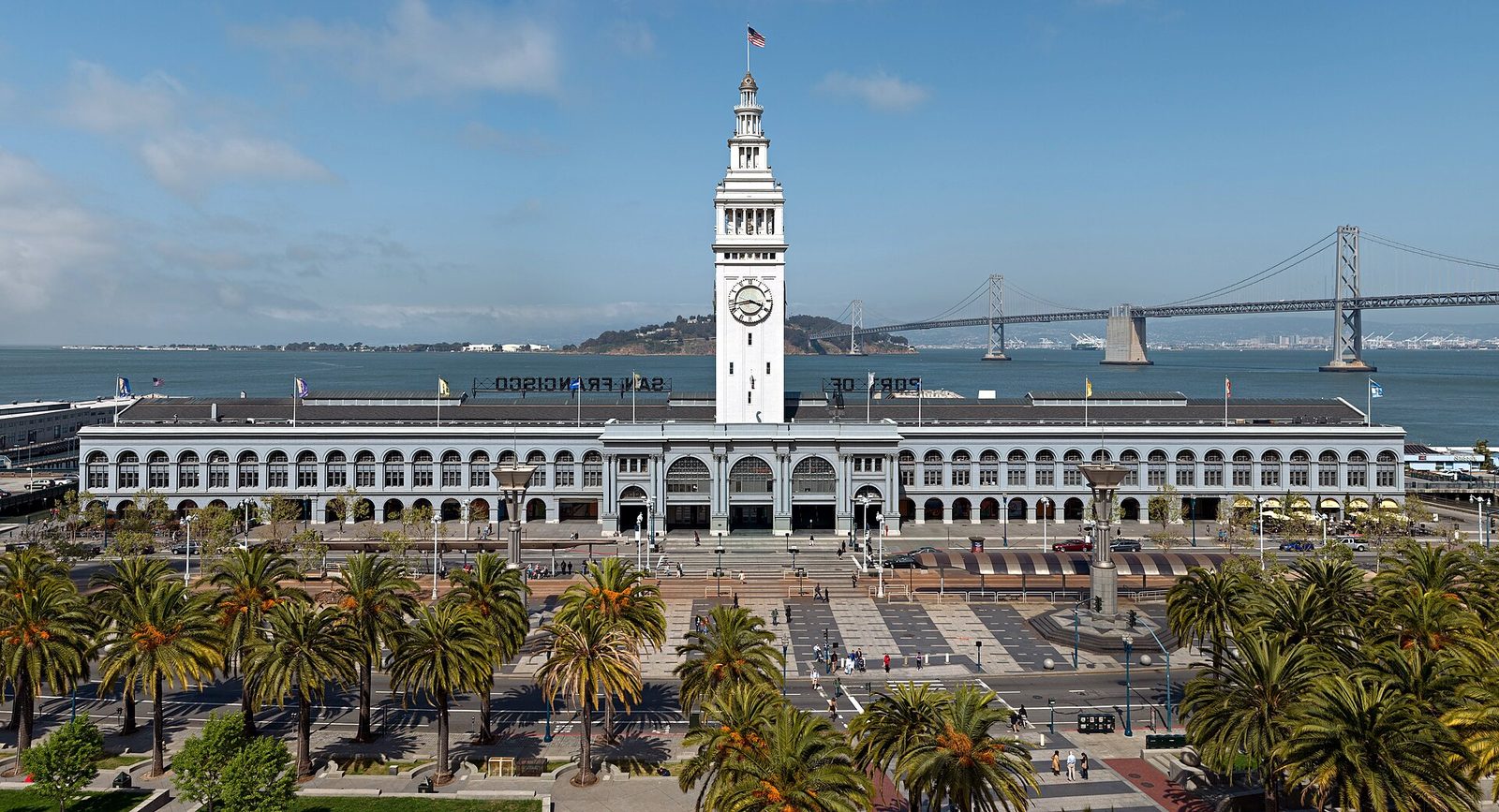
A Bay Area owner with merchant cash advance debt can start by gathering every contract, three months of bank statements and any court papers, then reading the terms with a California attorney and asking for a free, confidential first conversation. In California a bank levy follows a money judgment, and San Francisco, Oakland and the East Bay add wage and tax costs of their own. The worry is the next debit, letter and payroll.
Take Dana, a composite owner who runs a 24-person neighborhood restaurant in San Francisco. Her sales average about $200,000 a month, from $150,000 in her slowest month to $250,000 in her busiest, and three merchant cash advances pull a combined $1,000 every business day. That is about $21,000 a month, or 14 percent of a slow month’s sales and 8.4 percent of a busy month’s. Dana is invented, and so are her numbers; they give this page one consistent yardstick.
Her questions are local ones. Which court would a funder use, and what happens to a bank account if the funder wins? What does San Francisco’s tax overhaul mean for a restaurant with $2.4 million in yearly sales? Which wage floor applies, and what does the city’s health care ordinance add on top? The chapters below take them in order, with the sources listed at the end.
I am Tammy Houston, and I will define each term before I use it and keep the arithmetic round. Hamilton & Merchant is based in Orlando, Florida, with no office in the Bay Area, so the first conversation happens by phone. Hamilton & Merchant is not a law firm or a CPA firm, and nothing here is legal or tax advice. Where a step needs a lawyer or a CPA, hire your own, licensed in California.
How is the Bay Area economy treating small businesses in late 2026?
Unevenly. San Francisco’s Controller describes an economy entering an accelerating period of growth, driven largely by the AI investment boom. The same report says office vacancy, though down 3.7 percentage points in a year, still exceeds 30 percent, and that the city’s solid job gains over the past year came mainly in health care and tourism, while overall tech employment grew only modestly.
September 2026 unemployment rates differed across the region: 4.0 percent in San Francisco County, 3.9 percent in San Mateo, 4.2 percent in Santa Clara, 4.7 percent in Alameda and 4.8 percent in Contra Costa, against 5.1 percent for California. Those county rates are not seasonally adjusted, so compare them with one another and not with the 3.7 percent seasonally adjusted figure the Controller gave for San Francisco in June.
Storefronts tell a more personal story. Since 2023 the city has paid grants to help small businesses open in vacant storefronts. Of the 70 businesses in the first cohort, 55 were still open at their original location, 11 had closed and three had relocated. This summer another 39 owners received between $50,000 and $100,000 each. A grant helps with the opening; it does not change what a fixed daily debit does in a slow week.
How does a fixed daily debit meet the Bay Area’s main industries?
A fixed debit does not shrink when sales do, so it matters most to businesses whose receipts swing by day, season or project. In the Bay Area that describes restaurants and cafes, contractors, tech-adjacent service firms and businesses tied to the Port of Oakland.
For restaurants and cafes, statewide leisure and hospitality payrolls shrank by 9,600 jobs between August and September 2026, the biggest monthly loss of any sector, even as San Francisco’s tourism recovery added jobs. Sales in this trade can move with weather, conventions and office attendance. The restaurant guide covers the trade’s cash cycle.
For contractors, California capped retainage on private construction contracts signed on or after January 1, 2026 at 5 percent of the contract price (Civil Code section 8811). A contract cannot waive the cap, though it does not apply when a subcontractor was told before bidding that a bond would be required and then did not supply one. Improperly withheld retainage can bring a penalty of 2 percent a month. A cap improves timing, but a progress payment still arrives on the owner’s schedule while a debit arrives every business day. The contractor guide goes further.
For consultants, agencies and software-adjacent shops, the Controller’s finding that tech employment is growing only modestly, even as AI drives office leasing, is a reminder that a bright headline does not guarantee a steady invoice calendar.
Around the Port of Oakland, 2025 container volume was 2,253,976 TEUs (twenty-foot equivalent units, the standard count of shipping containers), down 0.4 percent from 2024, split almost evenly between 1,117,968 imports and 1,136,009 exports. A flat year is steady in total, which says little about the timing of any one business’s invoices.
What does California require of merchant cash advance providers?
California has required clear disclosures from commercial financing providers, merchant cash advance providers included, since December 9, 2022, and since October 1, 2023 its regulations bar unfair, deceptive or abusive acts toward small businesses. The details sit on the Los Angeles page, and the state MCA law study compares California with other states. A business that believes it was misled can file a complaint with the state’s Department of Financial Protection and Innovation through its online complaint form.
Where can a funder sue a Bay Area business, and what are the court limits?
A lawsuit in California state court is filed in a county superior court, and the amount in dispute sets the track. Limited civil cases are for $35,000 or less, unlimited civil cases are for more than $35,000, and a business entity such as a corporation can sue in small claims for up to $6,250 (an individual can sue for up to $12,500). Each Bay Area county runs its own superior court, so the county named on a paper matters.
San Francisco Superior Court lets anyone search civil cases online through its Case Query tool, by case number or by name, covering unlimited and limited civil, probate and small claims files from 1987 forward. Searching your business name and your own name takes a few minutes. Other Bay Area counties run separate superior courts, so use the court named on any paper you receive.
The paper that matters most is the one with a court’s name across the top. Read it the day it arrives.
A contract may name a court somewhere else, so read the forum clause. A creditor holding another state’s judgment can apply to a California superior court to enter a California judgment on it, using a sworn application with an authenticated copy of the out-of-state judgment (Code of Civil Procedure section 1710.15). The out-of-state judgment guide explains that route.
California has also closed one door. Code of Civil Procedure section 1132 makes a judgment by confession unenforceable and bars entering one in any superior court, with an exception only for confessions obtained or entered before January 1, 2023. The San Diego page covers that ban in depth, and the confession of judgment guide defines the term.
What can a funder do after winning a judgment in California?
A funder with a money judgment can ask the court clerk for a writ of execution, the court’s written instruction to a levying officer to seize property to satisfy the judgment. A money judgment stays enforceable for 10 years from entry unless another statute says otherwise, and interest on a money judgment accrues at 10 percent a year unless a statute sets another rate.
A writ goes to the levying officer in the county where the levy will happen, and each county needs its own writ. A new writ for the same county cannot issue until 180 days after the last one unless the earlier writ has been returned. The creditor can also ask the court to order the judgment debtor to appear and furnish information that helps enforce the judgment, a hearing known as a debtor’s examination.
Before any judgment, California allows a tool called a writ of attachment, which secures property ahead of a judgment. It is limited to claims for money based on a contract, for a fixed or readily ascertainable amount of at least $500 exclusive of costs, interest and attorney’s fees, and against an individual only when the claim arises from running a trade, business or profession (section 483.010). The lawsuit survival guide walks through the stages, and the seizure guide lists what a creditor can reach.
How does a bank levy work in California?
A bank levy is a creditor’s seizure of money in a deposit account under a writ of execution. In California the levying officer serves the bank with a copy of the writ and a notice of levy, and the lien reaches only what is in the account when the bank is served, plus deposits not yet finally collected unless they are returned unpaid.
Here is the sequence, in plain steps:
- The judgment creditor obtains a writ of execution from the court clerk.
- The levying officer, usually the county sheriff, serves the bank in person. A registered process server may also levy on deposit accounts, after depositing a copy of the writ and the statutory fee with the levying officer.
- The bank may not honor a withdrawal, check or other payment order unless enough money remains to cover the levy afterward, and it may deduct its own standard fee for processing.
- If the account has another person’s name on it, the levying officer must serve that person as well.
- The debtor receives a notice of levy (Judicial Council form EJ-150), which explains the exemption rights and deadlines.
Because the lien attaches to the balance at the moment of service, a deposit that arrives the next day is outside that first levy. A creditor can obtain further writs after the first, so the frozen business bank account guide is worth reading before any notice arrives.
What does the automatic exemption protect on a levied bank account?
An exemption is a legal protection that keeps certain property out of a creditor’s reach. California’s automatic deposit-account exemption is $2,325 per judgment debtor, effective July 1, 2026, and the bank applies it without any claim being filed. The amount tracks a state minimum-care standard for a family of four and is adjusted each July 1, so the figure changes from year to year.
$2,325
The automatic exemption for a judgment debtor’s deposit account under Code of Civil Procedure section 704.220, effective July 1, 2026.
Source: Judicial Council of California, Current Dollar Amounts of Exemptions From Enforcement of Judgments (EJ-156), revised July 20, 2026
Three limits matter. First, the automatic exemption does not apply to levies for wages owed, child or spousal support, or liability to the state government. Second, it does not reduce other deposit-account exemptions; if another exemption gives a larger amount, the larger one applies. Third, California’s exemption chapter states that its exemptions apply only to property of a natural person, so how it applies to an account held by an LLC or corporation is a question for your own California attorney.
A round example, with invented numbers. A person who is a judgment debtor has $10,000 in a personal checking account when the bank is served, and no other exemption applies. The automatic exemption would cover $2,325 and leave $7,675 exposed to the levy. For a business account, the balance on the day of service and the identity of the account holder decide the analysis, and an attorney should read both.
How does a claim of exemption work, and how long is the window?
A claim of exemption is a form that a judgment debtor files to say that levied property is protected beyond the automatic amount. It goes to the levying officer named on the notice of levy, on Judicial Council form EJ-160 (Code of Civil Procedure section 703.520). The window is 15 days after personal service and 20 days if the notice was served by mail.
A mailed claim is complete on the postmark date if the carrier assigns a tracking number; without one, it is complete when the levying officer receives it. The notice of levy warns that a claim filed late may not be allowed, and that property may be given to the creditor. The statute allows a late claim only for a judgment on a personal debt as section 683.110 defines the term, and the levying officer can still release funds to the creditor after the 20 days, so waiting carries risk.
A list of available exemptions appears on form EJ-155, and the notice of levy says that anyone who wishes to seek an attorney’s advice should do so immediately, so a claim can be filed on time. After the filing, the sheriff sends a copy to the creditor, who has 10 days to oppose. If the creditor does not respond, the claim is granted. If the creditor opposes, a judge decides at a hearing, and the debtor must show that the property qualifies. Money that was levied stays out of reach until the claim is decided. The debtor rights guide collects these deadlines in one place.
Quick check
A notice of levy is handed to one Oakland owner in person on a Tuesday, and another reaches a San Francisco owner by mail. How long does each have to file a claim of exemption with the levying officer?
See the answer
The owner served in person has 15 days after service; the owner served by mail has 20 days. A mailed claim with a tracking number counts as filed on the postmark date. Because a late claim may not be allowed, both owners should speak with a California attorney the day the notice arrives.
How does a personal guarantee change what a levy can reach?
A personal guarantee is a separate written promise by an individual to answer for the business’s obligation. If a funder obtains a judgment against the individual guarantor, that person becomes a judgment debtor, and the exemptions for natural persons apply to that person’s property. Whether a given contract contains a guarantee, and who signed it, comes from the contract itself; the personal guarantee guide shows the wording to look for.
The Judicial Council’s table lists other dollar amounts effective April 1, 2025: $8,625 for equity in a motor vehicle, and $10,950 for personal property used in the debtor’s own trade, business or profession, or $21,900 when spouses share a common trade. Those amounts are adjusted at each three-year interval ending March 31, so the next adjustment is scheduled for 2028. The deposit-account amount of $2,325 moves on its own July 1 schedule.
These numbers describe what the law says. Whether any of them applies to a particular person, account or tool is for that person’s own attorney to decide.
How does San Francisco’s gross receipts tax work after Proposition M?
A gross receipts tax is charged on a business’s sales in the city, with no deduction for expenses, so it applies even in a month when the business loses money. San Francisco voters approved Proposition M in November 2024, effective January 1, 2025, and it raised the small business exemption from $2.25 million to $5 million in combined San Francisco gross receipts, beginning with the 2025 tax year.
$5 million
The combined San Francisco gross receipts level at or under which a business is generally exempt from the Gross Receipts Tax, up from $2.25 million.
Source: Morgan Lewis, San Francisco Passes Prop M Changes for Business Taxes, November 22, 2024
For Dana, whose sales run about $2.4 million a year, the exemption means no Gross Receipts Tax on those sales, provided her receipts stay under the line. A business under the threshold is generally exempt from the tax but still registers and renews each year. Registration renewal and the annual return are due on the last day of February, or the next business day when that falls on a weekend (March 2 in 2026), and a business that owes and pays 110 percent of the prior year’s liability by the original due date can extend the filing deadline to November 30. Estimated payments, for businesses that owe, fall on April 30, July 31 and October 31.
Proposition M also cut the number of tax schedules from 14 to seven, lowered the Homelessness Gross Receipts Tax threshold from $50 million to $25 million (real estate keeps $50 million), and set a formula for most industries that weights sales 75 percent and payroll 25 percent. Further rate increases begin in 2027 and 2028, and they generally exclude small businesses. A CPA licensed in California can say which schedule fits a given business.
What do wages and health care spending cost in the Bay Area?
Wage floors differ by city, and an employer must pay the highest rate that applies. California’s statewide minimum is $16.90 an hour in 2026 and rises to $17.40 on January 1, 2027, but the cities below set their own higher floors.
| Place | 2026 rate per hour | Took effect | Previous rate |
|---|---|---|---|
| California (statewide) | $16.90 | January 1, 2026 | $16.50 |
| San Francisco | $19.61 | July 1, 2026 | $19.18 |
| Berkeley | $19.61 | July 1, 2026 | $19.18 |
| Emeryville | $20.34 | July 1, 2026 | $19.90 |
| Oakland | $17.34 | January 1, 2026 | $16.89 |
| Alameda | $17.76 | July 1, 2026 | $17.46 |
| Fremont | $18.05 | July 1, 2026 | $17.75 |
Here is what a 43-cent step means in a round example. San Francisco’s rate went from $19.18 to $19.61. If Dana’s staff paid at the floor work 1,800 hours a month, the increase adds $774 a month, about $9,300 a year, to a payroll that sits beside her $21,000 monthly debits.
$19.61
San Francisco’s minimum wage per hour since July 1, 2026, up from $19.18.
Source: Davis Wright Tremaine, California Local Minimum Wage Increases Effective July 1, 2026, June 2026
San Francisco’s Health Care Security Ordinance adds a second cost. It covers an employer with at least one employee who works on average eight hours a week in the city, and it sets a spending rate per payable hour by employer size, counted on worldwide headcount. For 2026 the rate is $2.74 an hour for employers with 20 to 99 workers and $4.11 for 100 or more; employers with 0 to 19 workers are exempt. On January 1, 2027 those rates are scheduled to rise to $2.99 and $4.49. An employer can meet the rate through health plan payments, health savings contributions or the city option.
A round example: Dana has 24 workers, so the medium rate applies. If her covered employees record 5,000 payable hours in a quarter, the 2026 rate calls for $13,700, and the scheduled 2027 rate would call for $14,950 on the same hours. Covered employers also file an annual report with the city by April 30.
What changes across the bridge in Oakland and the East Bay?
Oakland’s minimum wage is $17.34 an hour in 2026, up from $16.89, and its hotel wage is $18.85 with health benefits or $25.14 without. That is $2.27 an hour below San Francisco’s floor, which changes the math for an owner who runs locations on both sides of the bay. Alameda County’s September 2026 unemployment rate was 4.7 percent and Contra Costa’s was 4.8 percent.
Cities on the Peninsula and in the South Bay set their own wage and tax rules too. San Mateo County’s September rate was 3.9 percent and Santa Clara County’s was 4.2 percent, but the wage floors in those cities are not in the table above, so check the city’s own notice before you budget payroll. The same goes for any East Bay city not listed.
Oakland also put a business tax question to voters. Measure C, on the June 2, 2026 ballot, proposed a one-year exemption from the city’s gross receipts business tax starting January 1, 2027 for businesses with annual gross receipts below $1 million in retail, groceries, business and personal services, recreation and entertainment, and manufacturing, plus relief for new businesses that open a commercial location. The council could extend it yearly for up to three more years. Alameda County’s certified final results show it passing, with 81,160 yes votes to 23,162 no, about 78 percent yes. Confirm whether your category qualifies with the city’s Business Tax office.
Myth California automatically protects the first $2,325 in my business checking account.
Fact: The $2,325 is an exemption for a judgment debtor’s deposit account, and California’s exemption chapter says its exemptions apply only to property of a natural person. How it applies to an LLC or corporation account is a question for your own California attorney.
Myth Under San Francisco’s $5 million exemption, a small business owes the city nothing.
Fact: The exemption removes the Gross Receipts Tax for businesses at or under $5 million in city receipts, but those businesses are generally still expected to register and renew each year. Other costs, such as the minimum wage and the health care ordinance, apply on their own terms.
Myth The $16.90 state minimum wage is the floor everywhere around the bay.
Fact: San Francisco and Berkeley pay $19.61, Emeryville $20.34 and Oakland $17.34 in 2026, and an employer must pay the highest rate that applies.
Myth A judgment from another state can be used right away against my California bank account.
Fact: A creditor holding another state’s judgment can apply to a California superior court to enter a California judgment on it, using a sworn application and an authenticated copy. A California writ of execution issues from the court clerk after a money judgment.
How does a fixed daily debit behave against a Bay Area sales curve?
A fixed debit is a flat dollar amount charged on a schedule, so its weight changes with sales. Dana’s three advances pull $1,000 each business day, about $21,000 a month. In her busiest month, with $250,000 in sales, the debits equal 8.4 percent of sales. In her slowest, at $150,000, they equal 14 percent. The contract and the dollars are identical, yet the share of each sales dollar spoken for before payroll, rent and food are paid differs by 5.6 percentage points.
Project work has its own curve. Take Marcus, a second composite, an East Bay remodeling contractor with a $600,000 contract. California’s 5 percent retainage cap limits retainage on a covered private contract of that size to $30,000. His three advances pull $800 each business day, which is $16,800 over 21 business days, while the property owner pays progress draws on a schedule he does not control. A debit does not wait for a draw to clear, so the gap between the day money is earned and the day it lands in the account is the number to watch.
The weekly curve matters too. Downtown, weekday foot traffic in the Financial District and Jackson Square has recovered to roughly half of 2019 levels, while in 2025 Saturday reached 75 percent and Sunday 72 percent of the same day in 2019. A restaurant or cafe that draws on office crowds can see a weekday gap that debits do not follow. The city’s Controller reports that downtown foot traffic and transit ridership continue to recover, and hotel occupancy is approaching 2019 levels, which helps tourism-facing sales.
A debit is a flat number, and a sales curve is not. The arithmetic shows up in the slowest month, never the average one.
To test your own numbers, add one month’s debits across every advance, divide by that month’s sales, and repeat for your slowest and busiest months. The MCA cost calculator does the arithmetic, and the slow season guide explains how seasonal sales and fixed payments interact. A contract may also include a reconciliation clause that adjusts payments to actual sales; reading yours is part of the work.
What public and non-profit help exists around the Bay Area?
Several public and non-profit resources are open to an owner, and none of them is affiliated with Hamilton & Merchant. The San Francisco Small Business Development Center offers no-cost advising and workshops in English, Spanish, Mandarin and Cantonese, hosted by the city’s Office of Economic and Workforce Development. The Northern California SBDC network describes its advising as no-fee and confidential, funded in part through a cooperative agreement with the U.S. Small Business Administration.
SCORE San Francisco offers free mentoring from experienced business owners and managers, with in-person sessions by appointment at the San Francisco Main Library at 100 Larkin Street as of 2025; check the current schedule before you go. For legal help, the Bar Association of San Francisco runs a Lawyer Referral and Information Service certified by the State Bar of California, referring people to lawyers since 1946, with participating attorneys required to carry malpractice insurance and stay in good standing. Staff there screen each inquiry to match the legal problem with a suitable attorney.
When should a Bay Area owner get help with merchant cash advance debt?
Get help when the advances begin to shape decisions about payroll, rent or taxes, and before a court deadline passes. Concrete signs include debits that take a share of your slowest month’s sales that you cannot cover after payroll and rent, a new advance taken to cover an earlier one, a summons or notice of levy, a bank that has restricted an account, or a funder asking you to pay under a personal guarantee.
A first conversation with Hamilton & Merchant is free, confidential and held by phone, at (407) 993-1416. It helps an owner understand the situation and the right kind of help: a lawyer, a settlement program, restructuring, or bankruptcy counsel. It covers each advance, the debit schedule, who signed what, and any court papers. It also covers the Bay Area costs that sit beside the debits, such as payroll at your city’s wage floor, the health care ordinance if it applies, and your city tax calendar, because the right kind of help depends on the whole month’s cash and not one line of it. The how it works page explains the format, and the free MCA diagnostic is a way to organize the facts first.
What to bring:
- Every advance contract, including amendments and renewals.
- Bank statements for the last three months.
- A list of every advance with its daily or weekly debit.
- Any court papers, notices of levy and letters from funders or collectors.
- Any San Francisco or Oakland tax notices.
Good help
- Explains the options in plain words and says what it does not know.
- Tells you to bring court papers to a licensed California attorney.
- Puts fees and terms in writing before any work begins.
Never accept
- Promises of results.
- Fees charged before work is done.
- Advice to ignore a lawsuit or a notice of levy.
One mechanism deserves a plain description. In a settlement program, the regular payments can stop while each funder is negotiated, and that can put the advances in default. Default can bring a lawsuit, added fees, damage to credit and a claim on any personal guarantee. Some funders agree to a settlement and some don’t, and results vary. That is why the decision belongs with a California attorney and with you, after you have seen the options side by side. The merchant cash advance relief page describes the kinds of help that exist.
What should a Bay Area owner do this week?
Eight steps, in order, each small enough for an evening:
- Put every advance contract and the last three months of bank statements in one folder, with a one-page list of each advance and its debit.
- Add one month’s debits, divide by that month’s sales, and repeat for your slowest month.
- Search your business name and your own name in San Francisco Superior Court’s Case Query, or in the superior court of your county.
- If a notice of levy arrives, write down the date and the method of service, then count 15 days for personal service or 20 for mail, and speak with a California attorney that day.
- If you operate in San Francisco, check the Treasurer’s calendar: estimated payments for businesses that owe fall on April 30, July 31 and October 31 (when a date falls on a weekend, confirm the deadline on the calendar), and renewal and the annual return are due the last day of February.
- If you operate in Oakland, ask the city’s Business Tax office whether Measure C’s 2027 exemption covers your category.
- Book a free session with the San Francisco SBDC or call the Bar Association of San Francisco’s referral service for a lawyer.
- Call Hamilton & Merchant at (407) 993-1416 for a free, confidential first conversation, and read about rebuilding cash flow while you wait.
Questions owners in Bay Area ask
Can a creditor take money from my San Francisco business bank account?
A creditor with a money judgment can ask the court clerk for a writ of execution, which a levying officer, usually the county sheriff, serves on the bank. The lien reaches only what is in the account when the bank is served, and exemptions may apply. How they apply to a particular account is a question for your own California attorney.
What is California’s automatic bank account exemption in 2026?
It is $2,325 per judgment debtor, effective July 1, 2026, and the bank applies it without a claim being filed. It does not apply to levies for wages owed, child or spousal support, or liability to the state, and California’s exemption chapter says its exemptions apply only to property of a natural person. Whether it reaches an LLC or corporation account is a question for your own California attorney.
How many days do I have to file a claim of exemption after a bank levy?
The deadline is 15 days if you were personally served and 20 days if the notice came by mail. The claim goes to the levying officer named on the notice of levy, on Judicial Council form EJ-160. A claim filed late may not be allowed, so speak with a California attorney the day a notice arrives.
Is my San Francisco business exempt from the gross receipts tax after Proposition M?
A business with combined San Francisco gross receipts of $5 million or less is generally exempt from the Gross Receipts Tax, up from $2.25 million, beginning with the 2025 tax year. Exempt businesses generally still register and renew each year. A CPA licensed in California can say how this applies to a particular business.
What is the minimum wage in San Francisco and Oakland in 2026?
San Francisco’s is $19.61 an hour since July 1, 2026, and Oakland’s is $17.34 since January 1, 2026. The statewide minimum is $16.90 and rises to $17.40 on January 1, 2027. An employer must pay the highest rate that applies, and San Francisco’s Health Care Security Ordinance adds a separate spending rate for employers with 20 or more workers.
How can I check whether a court case has been filed against my Bay Area business?
San Francisco Superior Court’s Case Query searches unlimited and limited civil, family law, probate and small claims cases by case number or name, for cases filed from 1987 to the present. Other Bay Area counties run separate courts. Hamilton & Merchant offers a free, confidential first conversation at (407) 993-1416.
Running a business in the Bay Area?
Call Hamilton & Merchant at (407) 993-1416 for a free, confidential first conversation, or send us a message. Hamilton & Merchant is based in Orlando, Florida, and is not a law firm; nothing on this page is legal or tax advice.
Sources
- Judicial Council of California, Current Dollar Amounts of Exemptions From Enforcement of Judgments (EJ-156), revised July 20, 2026.
- Judicial Council of California, Notice of Levy (EJ-150), revised July 1, 2026.
- California Code of Civil Procedure section 704.220, Deposit account exemption.
- California Code of Civil Procedure section 703.020, Exemptions apply to property of a natural person.
- California Code of Civil Procedure section 703.520, Time to claim an exemption.
- California Courts Self-Help Center, Make a claim of exemption for a bank levy.
- California Code of Civil Procedure section 700.140, Levy on a deposit account.
- California Code of Civil Procedure section 699.080, Levy by a registered process server.
- California Code of Civil Procedure section 699.510, Issuance of a writ of execution.
- California Code of Civil Procedure section 683.020, Enforcement period for a money judgment.
- California Code of Civil Procedure section 685.010, Interest on money judgments.
- California Code of Civil Procedure section 708.110, Examination of the judgment debtor.
- California Code of Civil Procedure section 483.010, Prejudgment attachment: claims for which it may issue.
- California Code of Civil Procedure section 1132, Judgment by confession.
- California Code of Civil Procedure section 1710.15, Application for entry of a sister-state judgment.
- California Courts Self-Help Center, Civil cases in California.
- Superior Court of California, County of San Francisco, Online services.
- California Department of Financial Protection and Innovation, Advisory to Small Businesses: Speak Up About Merchant Cash Advances, April 14, 2025.
- City and County of San Francisco, Office of the Controller, Status of the San Francisco Economy: 2026 Second Quarter, August 3, 2026.
- California Employment Development Department, September 2026 unemployment news release.
- Mission Local, S.F. started giving cash to help fill vacant storefronts. It’s working., October 2026.
- Downtown San Francisco Partnership, Data Reveals Downtown SF’s Evolution Beyond the 9–5.
- Port of Oakland, Port of Oakland Closes 2025 with Stable Cargo Volumes, January 14, 2026.
- Holland & Knight, California Expands 5 Percent Retainage Cap to Private Construction Projects, April 16, 2026.
- Morgan Lewis, San Francisco Passes Prop M Changes for Business Taxes, November 22, 2024.
- Sensiba, San Francisco Gross Receipts Tax Reform: A Deep Dive Into Prop M.
- Greenberg Traurig, San Francisco Voters Pass Proposition M Changes to Business Taxes, November 2024.
- Kruze Consulting, San Francisco Startup Tax Compliance Calendar.
- BusAcTa Advisors, San Francisco Gross Receipts Tax: 5 Essential Rules After Prop M.
- Davis Wright Tremaine, California Local Minimum Wage Increases Effective July 1, 2026, June 2026.
- CalChamber, California Local Minimum Wage Increases for July 1, 2026.
- Bloomberg Tax, Oakland, California, Releases 2026 Minimum Wage Rates.
- California Department of Industrial Relations, News Release 2025-118, 2026 state minimum wage.
- California Department of Industrial Relations, News Release 2026-66, 2027 state minimum wage.
- HUB International, San Francisco HCSO Contribution Rates for 2027, September 2026.
- SPUR, Oakland Measure C: Small Business Tax Relief, June 2026.
- Alameda County Registrar of Voters, June 2, 2026 Statewide Direct Primary, District Canvass (Certified Final Results).
- San Francisco Small Business Development Center, Organizer profile.
- Northern California SBDC Network, Norcal SBDC.
- San Francisco Public Library, Small Business and Entrepreneur Mentoring with SCORE, September 24, 2025.
- Bar Association of San Francisco, Why We Are a Trusted Source for Legal Help.